
| The HPV Puzzle: Quest to Deintensify Therapy in Oropharyngeal Cancer Continues OncLiveFull coverage |
from #Head and Neck by Sfakianakis via simeraentaxei on Inoreader https://ift.tt/2JEKWUV
| The HPV Puzzle: Quest to Deintensify Therapy in Oropharyngeal Cancer Continues OncLiveFull coverage |
| A story of surviving pancreatic cancer NiagaraFallsReview.caFull coverage |
| The HPV Puzzle: Quest to Deintensify Therapy in Oropharyngeal Cancer Continues OncLiveFull coverage |
| A story of surviving pancreatic cancer NiagaraFallsReview.caFull coverage |
The Laryngoscope, EarlyView.
from #Head and Neck by Sfakianakis via simeraentaxei on Inoreader https://ift.tt/2PcKtPJ
The Laryngoscope, EarlyView.
from #Head and Neck by Sfakianakis via simeraentaxei on Inoreader https://ift.tt/2PcKtPJ
The radial nerve has a long and tortuous course in the upper limb. Injury to the nerve can occur due to a multitude of causes at many potential sites along its course. The most common site of involvement is in the proximal forearm affecting the posterior interosseous branch while the main branch of the radial nerve is injured in fractures of the humeral shaft. Signs and symptoms of radial neuropathy depend upon the site of injury. Injury to the nerve distal to innervation of triceps brachii results in loss of extensor function with sparing of function of the triceps resulting in the characteristic 'wrist drop'. Injury in the mid-arm is associated with loss of sensation in the dorsolateral aspect of the hand, the dorsal aspect of the radial three-and-a-half digits and in the first web space. Involvement of only the posterior interosseous nerve (PIN) results in weakness of the wrist and digit extensors. Diagnosis relies on clinical examination, electrodiagnostic studies and imaging findings. Plain radiographs are used to identify fracture sites, callus or tumours as cause of compression. Technological advances in ultrasonography have allowed direct visualisation of the involved nerve with assessment of the exact site, extent and type of injury. It yields unmatched information about anatomical details of the nerve. MR imaging adds to soft-tissue details and helps in characterising the lesion. This pictorial review aims to illustrate a wide spectrum of causes of radial neuropathy and emphasises the importance of imaging modalities in diagnosis of neuropathies.
• Radial nerve injuries are assessed by clinical examination and diagnosed using electrodiagnostic and imaging studies.
• Knowledge of anatomical relations and course of the nerve is necessary to identify the nerve at pre-determined anatomical locations.
• Altered echogenicity and signal intensity, discontinuity of the nerve, focal thickening and cause of compression can be assessed by imaging modalities.
• MR imaging helps in confirmation of the ultrasound findings, differentiating similar appearing lesions and provides additional soft-tissue details.
The radial nerve has a long and tortuous course in the upper limb. Injury to the nerve can occur due to a multitude of causes at many potential sites along its course. The most common site of involvement is in the proximal forearm affecting the posterior interosseous branch while the main branch of the radial nerve is injured in fractures of the humeral shaft. Signs and symptoms of radial neuropathy depend upon the site of injury. Injury to the nerve distal to innervation of triceps brachii results in loss of extensor function with sparing of function of the triceps resulting in the characteristic 'wrist drop'. Injury in the mid-arm is associated with loss of sensation in the dorsolateral aspect of the hand, the dorsal aspect of the radial three-and-a-half digits and in the first web space. Involvement of only the posterior interosseous nerve (PIN) results in weakness of the wrist and digit extensors. Diagnosis relies on clinical examination, electrodiagnostic studies and imaging findings. Plain radiographs are used to identify fracture sites, callus or tumours as cause of compression. Technological advances in ultrasonography have allowed direct visualisation of the involved nerve with assessment of the exact site, extent and type of injury. It yields unmatched information about anatomical details of the nerve. MR imaging adds to soft-tissue details and helps in characterising the lesion. This pictorial review aims to illustrate a wide spectrum of causes of radial neuropathy and emphasises the importance of imaging modalities in diagnosis of neuropathies.
• Radial nerve injuries are assessed by clinical examination and diagnosed using electrodiagnostic and imaging studies.
• Knowledge of anatomical relations and course of the nerve is necessary to identify the nerve at pre-determined anatomical locations.
• Altered echogenicity and signal intensity, discontinuity of the nerve, focal thickening and cause of compression can be assessed by imaging modalities.
• MR imaging helps in confirmation of the ultrasound findings, differentiating similar appearing lesions and provides additional soft-tissue details.
The sinuses drain down the back of the throat, and issues such as allergies, infections, and colds can make the process irritating or painful. Some home remedies include nasal irrigation and steam therapy. Learn more here. (Source: Health News from Medical News Today)
MedWorm Message: Have you tried our new medical search engine? More powerful than before. Log on with your social media account. 100% free.
Revolutionary work on the body 's immune system and a host of new drug trials mean that beating cancer may be achievableLast month, the Nobel prize in medicine was awarded fortwo breakthrough scientific discoveries heralded as having "revolutionised cancer treatment", and "fundamentally changed the way we view how cancer can be managed". One of them went to a charismatic, harmonica-playing Texan namedJim Allison for his breakthrough advances in cancer immunotherapy. His discovery had resulted in transformative outcomes for cancer patients and a radical new direction for cancer research.And yet many cancer patients, and even some doctors, have hardly heard of cancer immunotherapy or refuse to believe it. Those who have struggle to make sense of the new menu of options and sort rea...
from #Head and Neck by Sfakianakis via simeraentaxei on Inoreader https://ift.tt/2qxiYl7
The sinuses drain down the back of the throat, and issues such as allergies, infections, and colds can make the process irritating or painful. Some home remedies include nasal irrigation and steam therapy. Learn more here. (Source: Health News from Medical News Today)
MedWorm Message: Have you tried our new medical search engine? More powerful than before. Log on with your social media account. 100% free.
Revolutionary work on the body 's immune system and a host of new drug trials mean that beating cancer may be achievableLast month, the Nobel prize in medicine was awarded fortwo breakthrough scientific discoveries heralded as having "revolutionised cancer treatment", and "fundamentally changed the way we view how cancer can be managed". One of them went to a charismatic, harmonica-playing Texan namedJim Allison for his breakthrough advances in cancer immunotherapy. His discovery had resulted in transformative outcomes for cancer patients and a radical new direction for cancer research.And yet many cancer patients, and even some doctors, have hardly heard of cancer immunotherapy or refuse to believe it. Those who have struggle to make sense of the new menu of options and sort rea...
from #Head and Neck by Sfakianakis via simeraentaxei on Inoreader https://ift.tt/2qxiYl7
The sinuses drain down the back of the throat, and issues such as allergies, infections, and colds can make the process irritating or painful. Some home remedies include nasal irrigation and steam therapy. Learn more here. (Source: Health News from Medical News Today)
MedWorm Message: Have you tried our new medical search engine? More powerful than before. Log on with your social media account. 100% free.
Revolutionary work on the body 's immune system and a host of new drug trials mean that beating cancer may be achievableLast month, the Nobel prize in medicine was awarded fortwo breakthrough scientific discoveries heralded as having "revolutionised cancer treatment", and "fundamentally changed the way we view how cancer can be managed". One of them went to a charismatic, harmonica-playing Texan namedJim Allison for his breakthrough advances in cancer immunotherapy. His discovery had resulted in transformative outcomes for cancer patients and a radical new direction for cancer research.And yet many cancer patients, and even some doctors, have hardly heard of cancer immunotherapy or refuse to believe it. Those who have struggle to make sense of the new menu of options and sort rea...
from #Head and Neck by Sfakianakis via simeraentaxei on Inoreader https://ift.tt/2qxiYl7
The sinuses drain down the back of the throat, and issues such as allergies, infections, and colds can make the process irritating or painful. Some home remedies include nasal irrigation and steam therapy. Learn more here. (Source: Health News from Medical News Today)
MedWorm Message: Have you tried our new medical search engine? More powerful than before. Log on with your social media account. 100% free.
Revolutionary work on the body 's immune system and a host of new drug trials mean that beating cancer may be achievableLast month, the Nobel prize in medicine was awarded fortwo breakthrough scientific discoveries heralded as having "revolutionised cancer treatment", and "fundamentally changed the way we view how cancer can be managed". One of them went to a charismatic, harmonica-playing Texan namedJim Allison for his breakthrough advances in cancer immunotherapy. His discovery had resulted in transformative outcomes for cancer patients and a radical new direction for cancer research.And yet many cancer patients, and even some doctors, have hardly heard of cancer immunotherapy or refuse to believe it. Those who have struggle to make sense of the new menu of options and sort rea...
from #Head and Neck by Sfakianakis via simeraentaxei on Inoreader https://ift.tt/2qxiYl7
| Diet can influence thyroid function HealioUCLA In the News November 5, 2018 UCLA NewsroomFull coverage |
| Technology could revolutionize HPV-related cancer diagnostics Medical XpressFull coverage |
| Diet can influence thyroid function HealioUCLA In the News November 5, 2018 UCLA NewsroomFull coverage |
| Technology could revolutionize HPV-related cancer diagnostics Medical XpressFull coverage |
Conditions: Anesthesia; Pediatric Cancer; Pediatric Tumor; Pediatric Hepatoblastoma; Beta-Thalassemia; Hepatic Metastases Intervention: Drug: Sugammadex Sponsor: Federal Research Institute of Pediatric Hematology, Oncology and Immunology Not yet recruiting (Source: ClinicalTrials.gov)
from #Head and Neck by Sfakianakis via simeraentaxei on Inoreader https://ift.tt/2QlCaOn
Condition: Rabies Intervention: Biological: Blood drawn after rabies vaccine booster vaccination Sponsor: Queen Saovabha Memorial Institute Not yet recruiting (Source: ClinicalTrials.gov)
from #Head and Neck by Sfakianakis via simeraentaxei on Inoreader https://ift.tt/2qvRNYe
Conditions: Stroke, Ischemic; Cognitive Decline Intervention: Other: Analysis of T-lymphocytes Sponsor: University Medicine Greifswald Not yet recruiting (Source: ClinicalTrials.gov)
MedWorm Message: Have you tried our new medical search engine? More powerful than before. Log on with your social media account. 100% free.
Condition: Hay Fever Interventions: Biological: Placebo solution; Biological: gpASIT+TM Sponsor: ASIT Biotech S.A. Not yet recruiting (Source: ClinicalTrials.gov)
from #Head and Neck by Sfakianakis via simeraentaxei on Inoreader https://ift.tt/2qx7f65
Condition: Malaria Intervention: Sponsor: National Institute of Allergy and Infectious Diseases (NIAID) Recruiting (Source: ClinicalTrials.gov)
from #Head and Neck by Sfakianakis via simeraentaxei on Inoreader https://ift.tt/2QlMNjW
Conditions: Breast Cancer; Estrogen Receptor-positive Breast Cancer; Healthy Intervention: Sponsors: Duke University; United States Department of Defense Not yet recruiting (Source: ClinicalTrials.gov)
from #Head and Neck by Sfakianakis via simeraentaxei on Inoreader https://ift.tt/2qx76zz
Condition: Ebola Virus Interventions: Drug: ZMapp; Drug: Remdesivir; Drug: MAb114 Sponsor: National Institute of Allergy and Infectious Diseases (NIAID) Recruiting (Source: ClinicalTrials.gov)
from #Head and Neck by Sfakianakis via simeraentaxei on Inoreader https://ift.tt/2QgtNDn
Conditions: Anesthesia; Pediatric Cancer; Pediatric Tumor; Pediatric Hepatoblastoma; Beta-Thalassemia; Hepatic Metastases Intervention: Drug: Sugammadex Sponsor: Federal Research Institute of Pediatric Hematology, Oncology and Immunology Not yet recruiting (Source: ClinicalTrials.gov)
from #Head and Neck by Sfakianakis via simeraentaxei on Inoreader https://ift.tt/2QlCaOn
Condition: Rabies Intervention: Biological: Blood drawn after rabies vaccine booster vaccination Sponsor: Queen Saovabha Memorial Institute Not yet recruiting (Source: ClinicalTrials.gov)
from #Head and Neck by Sfakianakis via simeraentaxei on Inoreader https://ift.tt/2qvRNYe
Conditions: Stroke, Ischemic; Cognitive Decline Intervention: Other: Analysis of T-lymphocytes Sponsor: University Medicine Greifswald Not yet recruiting (Source: ClinicalTrials.gov)
MedWorm Message: Have you tried our new medical search engine? More powerful than before. Log on with your social media account. 100% free.
Condition: Hay Fever Interventions: Biological: Placebo solution; Biological: gpASIT+TM Sponsor: ASIT Biotech S.A. Not yet recruiting (Source: ClinicalTrials.gov)
from #Head and Neck by Sfakianakis via simeraentaxei on Inoreader https://ift.tt/2qx7f65
Condition: Malaria Intervention: Sponsor: National Institute of Allergy and Infectious Diseases (NIAID) Recruiting (Source: ClinicalTrials.gov)
from #Head and Neck by Sfakianakis via simeraentaxei on Inoreader https://ift.tt/2QlMNjW
Conditions: Breast Cancer; Estrogen Receptor-positive Breast Cancer; Healthy Intervention: Sponsors: Duke University; United States Department of Defense Not yet recruiting (Source: ClinicalTrials.gov)
from #Head and Neck by Sfakianakis via simeraentaxei on Inoreader https://ift.tt/2qx76zz
Condition: Ebola Virus Interventions: Drug: ZMapp; Drug: Remdesivir; Drug: MAb114 Sponsor: National Institute of Allergy and Infectious Diseases (NIAID) Recruiting (Source: ClinicalTrials.gov)
from #Head and Neck by Sfakianakis via simeraentaxei on Inoreader https://ift.tt/2QgtNDn
| FDA approves 2 devices to aid in thyroid surgery MedTech DiveFull coverage |
| FDA approves 2 devices to aid in thyroid surgery MedTech DiveFull coverage |
| Technology could revolutionize HPV-related cancer diagnostics Medical XpressFull coverage |
| Technology could revolutionize HPV-related cancer diagnostics Medical XpressFull coverage |
| Lower radiation may effectively prevent cancer recurrences in this patient group MD LinxFull coverage |
| Diet can influence thyroid function HealioFull coverage |
| Global Head and Neck Cancer Treatment Market Report, Trends, Size, Share, Analysis, Estimations and Forecasts to ... Digital JournalFull coverage |
| Lower radiation may effectively prevent cancer recurrences in this patient group MD LinxFull coverage |
| Diet can influence thyroid function HealioFull coverage |
| Global Head and Neck Cancer Treatment Market Report, Trends, Size, Share, Analysis, Estimations and Forecasts to ... Digital JournalFull coverage |
| Global Head and Neck Cancer Treatment Market Report, Trends, Size, Share, Analysis, Estimations and Forecasts to ... Digital JournalFull coverage |
| Espedilla: Wants to know the cancer fighting foods (Part 5) Sun.StarFull coverage |
| Global Head and Neck Cancer Treatment Market Report, Trends, Size, Share, Analysis, Estimations and Forecasts to ... Digital JournalFull coverage |
| Espedilla: Wants to know the cancer fighting foods (Part 5) Sun.StarFull coverage |

| Related health conditions Health24Full coverage |
| Related health conditions Health24Full coverage |
Publication date: Available online 5 November 2018
Source: NeuroImage
Author(s): Tianhao Zhang, Qi Huang, Chunxiang Jiao, Hua Liu, Binbin Nie, Shengxiang Liang, Panlong Li, Xi Sun, Ting Feng, Lin Xu, Baoci Shan
Metabolic brain network, which is based on functional correlation patterns of 18F-fluorodeoxyglucose (FDG) positron emission tomography (PET) images, has been widely applied in both basic and clinical neuroscience. Exploring the properties of the metabolic brain network can provide valuable insight to the physiologic and pathologic processes of the brain. Based on the network theory, modular architecture has the ability to limit the spread of local perturbation impact and therefore modular networks are more robust against external damage. However, whether the metabolic brain network has modular architecture remains unknown.
77 rats performed 18F-FDG PET brain imaging. The metabolic brain network was then constructed by measuring interregional metabolic correlation in inter-subject manner. Afterwards, modular architecture of the network was detected by a greedy algorithm. Further, we perturbed the metabolic brain network by inducing focal photothrombotic ischemia in the bilateral motor cortex and then measured the glucose metabolic change of each brain region using FDG-PET.
A significant modular architecture was found in the metabolic brain network. The network could be divided into four modules which corresponding approximately to executive, learning/memory, visual/auditory and sensorimotor processing functional domains. After inducing the focal ischemia on the bilateral motor cortex, most of the significantly changed brain regions (13 of 17) belong to the sensorimotor module.
Our results revealed an inherent modular architecture in the metabolic brain network and gave an experimental evidence that the modularity of the metabolism brain network could limit the spread of local perturbation impact.
Publication date: Available online 4 November 2018
Source: NeuroImage
Author(s): Kirsten Petras, Sanne ten Oever, Christianne Jacobs, Valerie Goffaux
Coarse-to-fine theories of vision propose that the coarse information carried by the low spatial frequencies (LSF) of visual input guides the integration of finer, high spatial frequency (HSF) detail. Whether and how LSF modulates HSF processing in naturalistic broad-band stimuli is still unclear. Here we used multivariate decoding of EEG signals to separate the respective contribution of LSF and HSF to the neural response evoked by broad-band images. Participants viewed images of human faces, monkey faces and phase-scrambled versions that were either broad-band or filtered to contain LSF or HSF. We trained classifiers on EEG scalp-patterns evoked by filtered scrambled stimuli and evaluated the derived models on broad-band scrambled and intact trials. We found reduced HSF contribution when LSF was informative towards image content, indicating that coarse information does guide the processing of fine detail, in line with coarse-to-fine theories. We discuss the potential cortical mechanisms underlying such coarse-to-fine feedback.

Publication date: Available online 5 November 2018
Source: NeuroImage
Author(s): Tianhao Zhang, Qi Huang, Chunxiang Jiao, Hua Liu, Binbin Nie, Shengxiang Liang, Panlong Li, Xi Sun, Ting Feng, Lin Xu, Baoci Shan
Metabolic brain network, which is based on functional correlation patterns of 18F-fluorodeoxyglucose (FDG) positron emission tomography (PET) images, has been widely applied in both basic and clinical neuroscience. Exploring the properties of the metabolic brain network can provide valuable insight to the physiologic and pathologic processes of the brain. Based on the network theory, modular architecture has the ability to limit the spread of local perturbation impact and therefore modular networks are more robust against external damage. However, whether the metabolic brain network has modular architecture remains unknown.
77 rats performed 18F-FDG PET brain imaging. The metabolic brain network was then constructed by measuring interregional metabolic correlation in inter-subject manner. Afterwards, modular architecture of the network was detected by a greedy algorithm. Further, we perturbed the metabolic brain network by inducing focal photothrombotic ischemia in the bilateral motor cortex and then measured the glucose metabolic change of each brain region using FDG-PET.
A significant modular architecture was found in the metabolic brain network. The network could be divided into four modules which corresponding approximately to executive, learning/memory, visual/auditory and sensorimotor processing functional domains. After inducing the focal ischemia on the bilateral motor cortex, most of the significantly changed brain regions (13 of 17) belong to the sensorimotor module.
Our results revealed an inherent modular architecture in the metabolic brain network and gave an experimental evidence that the modularity of the metabolism brain network could limit the spread of local perturbation impact.
Publication date: Available online 4 November 2018
Source: NeuroImage
Author(s): Kirsten Petras, Sanne ten Oever, Christianne Jacobs, Valerie Goffaux
Coarse-to-fine theories of vision propose that the coarse information carried by the low spatial frequencies (LSF) of visual input guides the integration of finer, high spatial frequency (HSF) detail. Whether and how LSF modulates HSF processing in naturalistic broad-band stimuli is still unclear. Here we used multivariate decoding of EEG signals to separate the respective contribution of LSF and HSF to the neural response evoked by broad-band images. Participants viewed images of human faces, monkey faces and phase-scrambled versions that were either broad-band or filtered to contain LSF or HSF. We trained classifiers on EEG scalp-patterns evoked by filtered scrambled stimuli and evaluated the derived models on broad-band scrambled and intact trials. We found reduced HSF contribution when LSF was informative towards image content, indicating that coarse information does guide the processing of fine detail, in line with coarse-to-fine theories. We discuss the potential cortical mechanisms underlying such coarse-to-fine feedback.
| Top Trends in Global Differentiated Thyroid Cancer Therapeutics Market Size 2016: Industry Forecast till 2024 The News Partner (press release) (blog)Full coverage |
| Top Trends in Global Differentiated Thyroid Cancer Therapeutics Market Size 2016: Industry Forecast till 2024 The News Partner (press release) (blog)Full coverage |
| Benefits of smoking cessation Health24Full coverage |
| Benefits of smoking cessation Health24Full coverage |
| Top Trends in Global Differentiated Thyroid Cancer Therapeutics Market Size 2016: Industry Forecast till 2024 The News Partner (press release) (blog)Medullary Thyroid Cancer Drug Market: Future Demand, Market Analysis and Outlook to 2023 The Coconutoil Blog (blog)Follicular Thyroid Cancer Drug Market – Analysis for the top companies like AstraZeneca PLC, Exelixis, Inc. TokenDesks (press release)Full coverage |
| Top Trends in Global Differentiated Thyroid Cancer Therapeutics Market Size 2016: Industry Forecast till 2024 The News Partner (press release) (blog)Medullary Thyroid Cancer Drug Market: Future Demand, Market Analysis and Outlook to 2023 The Coconutoil Blog (blog)Follicular Thyroid Cancer Drug Market – Analysis for the top companies like AstraZeneca PLC, Exelixis, Inc. TokenDesks (press release)Full coverage |
| Major health organizations support motion to ban smoking in CDN / NDG parks mtltimes.caFull coverage |
| Major health organizations support motion to ban smoking in CDN / NDG parks mtltimes.caFull coverage |
| Smoking and its related health conditions Health24Full coverage |
| Smoking and its related health conditions Health24Full coverage |
| Liquid biopsy test confirms remission in HPV-associated oral cancer HealioLiquid Biopsy Confirms Remission in HPV Oropharyngeal Cancer MedscapeFull coverage |
| Liquid biopsy test confirms remission in HPV-associated oral cancer HealioLiquid Biopsy Confirms Remission in HPV Oropharyngeal Cancer MedscapeFull coverage |
To evaluate a non-invasive method to assess the progressivity of idiopathic central precocious puberty (CPP) by quantifying perfusion of the pituitary stalk with arterial spin labeling (ASL) and using the gonadotropin-releasing hormone (GnRH) test as a reference test to define progressive CPP.
In a single center retrospective study, 52 consecutive patients, observed between October 2015 and April 2017 and referred with early signs of puberty, were evaluated using the GnRH test and cerebral magnetic resonance imaging (MRI). Patients with peripheral or non-idiopathic puberty were excluded. The distribution of perfusion values between patients with progressive and non-progressive CPP was compared using a nonparametric Mann-Whitney U‑test.
In this study 35 patients were included and 29 had progressive CPP. These patients displayed significantly higher cerebral blood flow (CBF) values than the 6 patients with non-progressive CPP (p = 0.006). The median CBF for patients with non-progressive and progressive CPP was 45.25 ml/min/100 g (interquartile range 36.9–54) vs. 65 ml/min/100 g (interquartile range 55.5–74.5), respectively. To determine if the CPP was progressive, the best CBF threshold was 55.5 ml/min/100 g with a sensitivity of 76%, a specificity of 83% and an accuracy of 77%. There were strong significant correlations between CBF and LH peak (r = 0.67, p < 0.001) and between CBF and LH/FSH peaks ratio [r = 0.71, p < 0.001] during the GnRH test.
Arterial spin labelling (ASL) offers a novel tool to assess the progressivity of idiopathic CPP.
To evaluate the potential benefit in image quality of the iterative reconstruction (IR) technique advanced modelled iterative reconstruction (ADMIRE) in CT angiography (CTA) of supra-aortic arteries compared to sinogram affirmed iterative reconstruction (SAFIRE) and standard filtered back projection (FBP) in one patients' group.
In this study 29 patients underwent standard CTA of supra-aortic arteries. Images were reconstructed using three different reconstruction algorithms, FBP, and IR techniques ADMIRE and SAFIRE. General image quality was assessed by two radiologists in different arterial segments using a 5-point Likert scale. Mean attenuation and noise were measured at different levels of each vessel and signal-to-noise ratio (SNR) was calculated. Interrater variability was determined.
Regarding total image quality IR showed only excellent, very good and good results and was more often graded excellent and very good than FBP reconstruction. Image noise levels and SNR were significantly (p < 0.01) improved in IR at the bilateral subclavian arteries (only in SAFIRE), vertebral V1 and V3 segments, common carotid arteries and proximal and distal internal carotid arteries. No significant differences in image quality were found when comparing SAFIRE and ADMIRE reconstructions except for V1 and V3. In these regions ADMIRE showed significantly better image quality than SAFIRE (p < 0.001 and p < 0.01). Interrater agreement was almost perfect (κ = 0.88) for different image quality parameters.
The CTA of supra-aortic arteries using the IR techniques SAFIRE and ADMIRE was superior to FBP when comparing the objective and subjective image quality and ADMIRE has the potential to overcome SAFIRE.
To evaluate a non-invasive method to assess the progressivity of idiopathic central precocious puberty (CPP) by quantifying perfusion of the pituitary stalk with arterial spin labeling (ASL) and using the gonadotropin-releasing hormone (GnRH) test as a reference test to define progressive CPP.
In a single center retrospective study, 52 consecutive patients, observed between October 2015 and April 2017 and referred with early signs of puberty, were evaluated using the GnRH test and cerebral magnetic resonance imaging (MRI). Patients with peripheral or non-idiopathic puberty were excluded. The distribution of perfusion values between patients with progressive and non-progressive CPP was compared using a nonparametric Mann-Whitney U‑test.
In this study 35 patients were included and 29 had progressive CPP. These patients displayed significantly higher cerebral blood flow (CBF) values than the 6 patients with non-progressive CPP (p = 0.006). The median CBF for patients with non-progressive and progressive CPP was 45.25 ml/min/100 g (interquartile range 36.9–54) vs. 65 ml/min/100 g (interquartile range 55.5–74.5), respectively. To determine if the CPP was progressive, the best CBF threshold was 55.5 ml/min/100 g with a sensitivity of 76%, a specificity of 83% and an accuracy of 77%. There were strong significant correlations between CBF and LH peak (r = 0.67, p < 0.001) and between CBF and LH/FSH peaks ratio [r = 0.71, p < 0.001] during the GnRH test.
Arterial spin labelling (ASL) offers a novel tool to assess the progressivity of idiopathic CPP.
To evaluate the potential benefit in image quality of the iterative reconstruction (IR) technique advanced modelled iterative reconstruction (ADMIRE) in CT angiography (CTA) of supra-aortic arteries compared to sinogram affirmed iterative reconstruction (SAFIRE) and standard filtered back projection (FBP) in one patients' group.
In this study 29 patients underwent standard CTA of supra-aortic arteries. Images were reconstructed using three different reconstruction algorithms, FBP, and IR techniques ADMIRE and SAFIRE. General image quality was assessed by two radiologists in different arterial segments using a 5-point Likert scale. Mean attenuation and noise were measured at different levels of each vessel and signal-to-noise ratio (SNR) was calculated. Interrater variability was determined.
Regarding total image quality IR showed only excellent, very good and good results and was more often graded excellent and very good than FBP reconstruction. Image noise levels and SNR were significantly (p < 0.01) improved in IR at the bilateral subclavian arteries (only in SAFIRE), vertebral V1 and V3 segments, common carotid arteries and proximal and distal internal carotid arteries. No significant differences in image quality were found when comparing SAFIRE and ADMIRE reconstructions except for V1 and V3. In these regions ADMIRE showed significantly better image quality than SAFIRE (p < 0.001 and p < 0.01). Interrater agreement was almost perfect (κ = 0.88) for different image quality parameters.
The CTA of supra-aortic arteries using the IR techniques SAFIRE and ADMIRE was superior to FBP when comparing the objective and subjective image quality and ADMIRE has the potential to overcome SAFIRE.
The aim of this study was to evaluate the impact of body temperature on the cyclic fatigue resistance of different NiTi alloys used for the manufacturing of Reciproc Blue R25 (RB 25.08; VDW, Munich, Germany), X1 Blue File 25 (X1 25.06; MK Life Medical and Dental Products, Porto Alegre, Brazil) and WaveOne Gold Primary (WOG 25.07; Dentsply Maillefer, Ballaigues, Switzerland).
Sixty instruments of the RB 25.08, X1 25.06 and WOG 25.07 systems were used (n = 20). Cyclic fatigue tests were performed at room temperature (20° ± 1 °C) and at body temperature (37° ± 1 °C). The instruments were reciprocated until fracture occurred in an artificial stainless steel canal with a 60° angle and a 5-mm radius of curvature. The time to fracture (TTF) was recorded. Also, the number of cycles to fracture (NCF) was calculated. Data were analysed using one-way ANOVA and Tukey's tests for inter-group comparison at both temperatures and for the reduction of cyclic fatigue at body temperature. For intra-group comparison at the different temperatures, the unpaired t test was used.
The cyclic fatigue test at 20 °C showed that RB 25.08 and X1 25.06 presented significantly higher TTF and NCF than WOG 25.07 (P < 0.05). At 37 °C, all groups presented significant reduction of TTF and NCF (P < 0.05). RB 25.08 presented significant higher TTF than WOG 25.07 (P < 0.05). Regarding the NCF, there was no significant difference among the groups (P > 0.05). The WOG 25.07 presented the lowest percentage reduction of cyclic fatigue (P < 0.05).
The body temperature treatment caused a marked reduction of the cyclic fatigue resistance for all reciprocating instruments tested. The RB 25.08 and X1 25.06 systems presented similar results at both temperatures tested. However, WOG 25.07 presented the lowest percentage reduction in fatigue resistance at body temperature.
The cyclic fatigue resistance of NiTi reciprocating instruments has been evaluated at room temperature. However, the fatigue resistance significantly decreases upon exposure to body temperature, which could affect the mechanical behaviour of the NiTi instruments during root canal preparation.
To evaluate the impact of a modified motion on the fatigue life of four brands of nickel–titanium (NiTi) reciprocating instruments.
Cyclic fatigue (CF) resistance of 160 instruments was evaluated in an artificial stainless-steel canal (90° angle, 5-mm radius of curvature). WaveOne and WaveOne Gold (Denstply Maillefer, Baillagues, Switzerland) and Reciproc and Reciproc Blue (VDW, Munich, Germany) were tested with two different motions: (1) X-Smart Plus (Denstply Maillefer) endodontic motor and (2) a 4:1 contra-angle with an experimental motion (EVO) with different rotation angles and based on a sinusoidal acceleration. Motions with X-Smart Plus and EVO were recorded and analyzed at a reduced speed with VLC Media Player software for a more accurate analysis. Mean half-life, beta, and eta Weibull parameters were determined and compared.
Reciproc Blue resulted the most resistant instruments either with EVO or X-Smart. WaveOne Gold lasted significantly longer than WaveOne with EVO (probability of 91%) while no significant differences were found with X-Smart. Considering NCF, Reciproc, WaveOne Gold, and Reciproc Blue lasted significantly longer with EVO (probabilities of 66%, 80%, and 89% respectively). WaveOne Gold showed the highest beta parameter.
The experimental motion was found to have a positive impact on fatigue lifetime of reciprocating instruments.
Current findings provide insight for future improvements in the clinical use of reciprocating files. Experimental motions may be considered when searching for additional strategies in order to increase the safer use of NiTi files during endodontic procedures.
The aim of this study was to evaluate the impact of body temperature on the cyclic fatigue resistance of different NiTi alloys used for the manufacturing of Reciproc Blue R25 (RB 25.08; VDW, Munich, Germany), X1 Blue File 25 (X1 25.06; MK Life Medical and Dental Products, Porto Alegre, Brazil) and WaveOne Gold Primary (WOG 25.07; Dentsply Maillefer, Ballaigues, Switzerland).
Sixty instruments of the RB 25.08, X1 25.06 and WOG 25.07 systems were used (n = 20). Cyclic fatigue tests were performed at room temperature (20° ± 1 °C) and at body temperature (37° ± 1 °C). The instruments were reciprocated until fracture occurred in an artificial stainless steel canal with a 60° angle and a 5-mm radius of curvature. The time to fracture (TTF) was recorded. Also, the number of cycles to fracture (NCF) was calculated. Data were analysed using one-way ANOVA and Tukey's tests for inter-group comparison at both temperatures and for the reduction of cyclic fatigue at body temperature. For intra-group comparison at the different temperatures, the unpaired t test was used.
The cyclic fatigue test at 20 °C showed that RB 25.08 and X1 25.06 presented significantly higher TTF and NCF than WOG 25.07 (P < 0.05). At 37 °C, all groups presented significant reduction of TTF and NCF (P < 0.05). RB 25.08 presented significant higher TTF than WOG 25.07 (P < 0.05). Regarding the NCF, there was no significant difference among the groups (P > 0.05). The WOG 25.07 presented the lowest percentage reduction of cyclic fatigue (P < 0.05).
The body temperature treatment caused a marked reduction of the cyclic fatigue resistance for all reciprocating instruments tested. The RB 25.08 and X1 25.06 systems presented similar results at both temperatures tested. However, WOG 25.07 presented the lowest percentage reduction in fatigue resistance at body temperature.
The cyclic fatigue resistance of NiTi reciprocating instruments has been evaluated at room temperature. However, the fatigue resistance significantly decreases upon exposure to body temperature, which could affect the mechanical behaviour of the NiTi instruments during root canal preparation.
To evaluate the impact of a modified motion on the fatigue life of four brands of nickel–titanium (NiTi) reciprocating instruments.
Cyclic fatigue (CF) resistance of 160 instruments was evaluated in an artificial stainless-steel canal (90° angle, 5-mm radius of curvature). WaveOne and WaveOne Gold (Denstply Maillefer, Baillagues, Switzerland) and Reciproc and Reciproc Blue (VDW, Munich, Germany) were tested with two different motions: (1) X-Smart Plus (Denstply Maillefer) endodontic motor and (2) a 4:1 contra-angle with an experimental motion (EVO) with different rotation angles and based on a sinusoidal acceleration. Motions with X-Smart Plus and EVO were recorded and analyzed at a reduced speed with VLC Media Player software for a more accurate analysis. Mean half-life, beta, and eta Weibull parameters were determined and compared.
Reciproc Blue resulted the most resistant instruments either with EVO or X-Smart. WaveOne Gold lasted significantly longer than WaveOne with EVO (probability of 91%) while no significant differences were found with X-Smart. Considering NCF, Reciproc, WaveOne Gold, and Reciproc Blue lasted significantly longer with EVO (probabilities of 66%, 80%, and 89% respectively). WaveOne Gold showed the highest beta parameter.
The experimental motion was found to have a positive impact on fatigue lifetime of reciprocating instruments.
Current findings provide insight for future improvements in the clinical use of reciprocating files. Experimental motions may be considered when searching for additional strategies in order to increase the safer use of NiTi files during endodontic procedures.
| Surveillance for Cancers Associated with Tobacco Use - United States, 2010-2014. UroTodayFull coverage |
| Surveillance for Cancers Associated with Tobacco Use - United States, 2010-2014. UroTodayFull coverage |
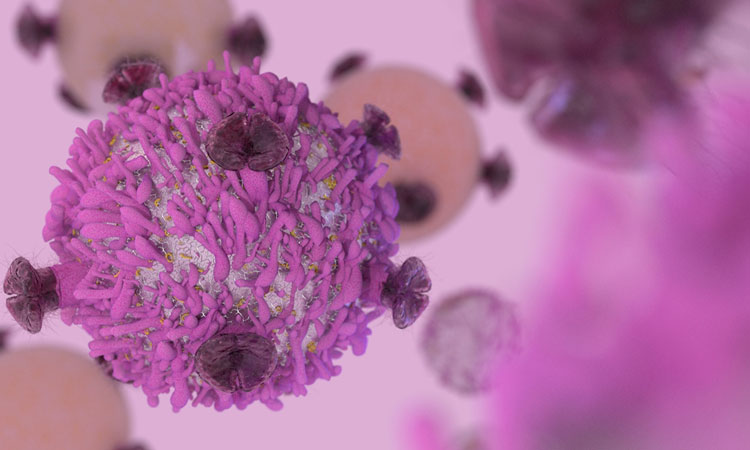
| Immunotherapy for metastatic or recurrent head and neck cancer European Pharmaceutical ReviewImmunotherapy effective as first-line treatment for advanced head and neck cancer EurekAlert (press release)Immunotherapy effective as treatment for head and neck cancer, trial suggests BreakingNews.ieFull coverage |
| Immunotherapy for metastatic or recurrent head and neck cancer European Pharmaceutical ReviewImmunotherapy effective as first-line treatment for advanced head and neck cancer EurekAlert (press release)Immunotherapy effective as treatment for head and neck cancer, trial suggests BreakingNews.ieFull coverage |
| What Caused the Intranasal Mass in This Woman's Nose? Cancer NetworkFull coverage |
| What Caused the Intranasal Mass in This Woman's Nose? Cancer NetworkFull coverage |
IgE-mediated food allergy is a growing problem with no curative therapy1. Oral immunotherapy (OIT) has shown promise, but its utility is limited by reactions during treatment and a lack of sustained protection following therapy. IgE antibodies trigger hypersensitivity reactions to foods. Their effects, mediated by Fc εRI on mast cells and basophils, can be countered by IgG antibodies of shared specificity signaling via the inhibitory Fc receptor, FcγRIIb2. OIT induces only modest reductions in specific IgE antibodies but stimulates dramatic increases in inhibitory IgG3, 4. (Source: Annals of Allergy, Asthma and Immunology)
from #Head and Neck by Sfakianakis via simeraentaxei on Inoreader https://ift.tt/2AMRrCx
IgE-mediated food allergy is a growing problem with no curative therapy1. Oral immunotherapy (OIT) has shown promise, but its utility is limited by reactions during treatment and a lack of sustained protection following therapy. IgE antibodies trigger hypersensitivity reactions to foods. Their effects, mediated by Fc εRI on mast cells and basophils, can be countered by IgG antibodies of shared specificity signaling via the inhibitory Fc receptor, FcγRIIb2. OIT induces only modest reductions in specific IgE antibodies but stimulates dramatic increases in inhibitory IgG3, 4. (Source: Annals of Allergy, Asthma and Immunology)
from #Head and Neck by Sfakianakis via simeraentaxei on Inoreader https://ift.tt/2AMRrCx

