Controversies exist with regard to in vivo approaches to delayed immunologically mediated adverse drug reactions, such as exanthem (maculopapular eruption), drug reaction with eosinophilia and systemic symptoms, acute generalized exanthematous pustulosis, Stevens-Johnson syndrome/toxic epidermal necrolysis, and fixed drug eruptions. In particular, widespread differences exist between regions and practice on the availability and use of intradermal and patch testing, the standard drug concentrations used, the use of additional drugs in intradermal and patch testing to help determine cross-reactivity, the timing of testing in relation to the occurrence of the adverse drug reaction, the use of testing in specific phenotypes, and the use of oral challenge in conjunction with delayed intradermal and patch testing to ascertain drug tolerance.
from #Head and Neck by Sfakianakis via simeraentaxei on Inoreader https://ift.tt/2GzO5Yv
Δευτέρα 17 Δεκεμβρίου 2018
Controversies in drug allergy: Testing for delayed reactions

Controversies in drug allergy: In vitro testing
Despite their low frequency, drug hypersensitivity reactions (DHRs) can be serious and result in lifelong sequelae. The diagnosis is critical to avert future reactions and should identify the culprit drug or drugs and safe alternatives. However, making the diagnosis can be complex and challenging. Reliable in vitro tests can offer the potential to improve a diagnosis of DHR and influence medical decision making. Importantly, in vitro testing is frequently not performed as a test in isolation but rather as a component of a diagnostic algorithm along with additional tests.
from #Head and Neck by Sfakianakis via simeraentaxei on Inoreader https://ift.tt/2QUEr6D
Medical Korea: Promoting the excellence of Korean medical services - gulfnews.com

Patients visiting Korea can rest assured of benefiting from the treatment and care provided by some of the world's foremost medical specialists at hospitals that ...
from #Head and Neck by Sfakianakis via simeraentaxei on Inoreader https://ift.tt/2PKzDvU
Medical Korea: Promoting the excellence of Korean medical services - gulfnews.com
Patients visiting Korea can rest assured of benefiting from the treatment and care provided by some of the world's foremost medical specialists at hospitals that ...
from #Head and Neck by Sfakianakis via simeraentaxei on Inoreader https://ift.tt/2PKzDvU
Child Influenza Vaccination and Adult Work Loss: Reduced Sick Leave Use Only in Adults With Paid Sick Leave
Publication date: Available online 17 December 2018
Source: American Journal of Preventive Medicine
Author(s): William K. Bleser, Patricia Y. Miranda, Daniel A. Salmon
Introduction
Children are a population of interest for influenza. They are at increased risk for severe influenza, comprise a substantial portion of influenza morbidity, and significantly contribute to its transmission in the household and subsequent parental work loss. The association between influenza vaccination and work loss prevention, however, has rarely been studied, and the sparse existing literature has very limited generalizability to U.S. adults, thus requiring better characterization.
Methods
Using pooled National Health Interview Survey data (2013–2015, analyses conducted in 2018) nationally representative of working U.S. adults with household children (n=23,014), zero-inflated negative binomial regression examined the association of child influenza vaccination (exposure) with sick days (outcome) stratified by paid sick leave (no: n=10,741, yes: n=12,273).
Results
Child influenza vaccination was associated with significantly lower sick day usage, but only among adults with paid sick leave (prevalence rate ratio=0.79, 95% CI=0.67, 0.93), equating to average annual sick days of 4.07 vs 3.29 in adults with unvaccinated versus vaccinated household children (difference=0.78 fewer days annually).
Conclusions
Influenza vaccination of children is associated with reduced sick leave in household adults, helping to keep the workforce healthy and reduce influenza's costly annual economic burden. This only occurred among adults with paid sick leave, however, which is distributed inequitably by income, education, gender, occupation, and race/ethnicity. Health in All Policies considers downstream health effects of social and economic policy; the failure of federal policy to ensure paid sick leave likely contributes to propagating influenza and health inequities.
from #Head and Neck by Sfakianakis via simeraentaxei on Inoreader https://ift.tt/2PGxq4x
Self-Directed Violence After Medical Emergency Department Visits Among Youth
Publication date: Available online 17 December 2018
Source: American Journal of Preventive Medicine
Author(s): Jing Wang, Hui Xie, Kristin M. Holland, Steven A. Sumner, Alexandra B. Balaji, Corinne F. David-Ferdon, Alexander E. Crosby
Introduction
Identifying medical encounters that precede self-directed violence may allow for important prevention opportunities. This study examined the risk of self-directed violence after visiting the emergency department for a range of physical health conditions among youth.
Methods
This retrospective cohort study used 2012–2013 statewide emergency department data from six states. Among patients aged 15–29 years, the exposure group included 2,192,322 emergency department visits for 16 selected conditions, coded by whether visits for those conditions were the first, second, or third or later visit for that condition. Emergency department visits for a minor infection served as the reference group (n=149,163). A Cox proportional hazard model was used to assess the risk of a self-directed violence event within 6 months for each condition. Analyses were conducted in 2017.
Results
Overall, 8,489 (0.4%) of all patients visited the emergency department for self-directed violence over a 6-month period. Initial visits for epilepsy or seizures conveyed a markedly elevated hazard ratio for subsequent self-directed violence at 6.0 and 5.7, respectively (p<0.001). Initial visits for other conditions showed moderately elevated risk with hazard ratios primarily <2. Second visits for various pain symptoms, syncope, vomiting, or non–self-directed violence injury also had a 3- to 5-fold increase in hazard ratios for subsequent self-directed violence. Hazard ratios for third or later visit increased to 8.8 for back pain, 6.9 for headache, about 5 for abdominal pain, dental complaints, and non–self-directed violence injury (p<0.001).
Conclusions
Young people presenting to the emergency department for certain medical conditions are at an increased risk of subsequent self-directed violence. An awareness of these patterns may help guide screening efforts for suicide prevention in clinical settings.
from #Head and Neck by Sfakianakis via simeraentaxei on Inoreader https://ift.tt/2UPhb9c
Screening and Referral for Childhood Obesity: Adherence to the U.S. Preventive Services Task Force Recommendation
Publication date: Available online 17 December 2018
Source: American Journal of Preventive Medicine
Author(s): Omoye E. Imoisili, Alyson B. Goodman, Carrie A. Dooyema, Megan R. Harrison, Brook Belay, Sohyun Park
Introduction
The U.S. Preventive Services Task Force recommends clinicians screen children aged 6 years or older for obesity and offer or refer children with obesity to intensive weight management programs. This study explores clinician awareness of weight management programs meeting the recommendation, adherence to the recommendation of screening and referral, and associations between provider and practice characteristics and weight management program referrals.
Methods
This cross-sectional study used data from the DocStyles survey 2017, a web-based panel survey, analyzed in 2017. Among 1,023 clinicians who see pediatric patients, this study examined clinician awareness of weight management programs in their communities that met the recommendation, practice of screening for childhood obesity, and referral to weight management programs. Multivariable logistic regression estimated associations between the demographic and practice characteristics of clinicians and weight management program referrals.
Results
Only 24.6% of surveyed clinicians were aware of a weight management program that met the U.S. Preventive Services Task Force recommendation in their community; of those aware, 88.9% referred patients to these weight management programs. Most (83.6%) clinicians screened children for obesity in ≥75% of visits. Overall, 53.5% of clinicians provided referrals to weight management programs. Referral was higher among female clinicians and clinicians serving mostly middle-income patients. Providers without teaching hospital privileges had lower odds of referral.
Conclusions
Adherence to clinical recommendations is essential to curbing the childhood obesity epidemic. Only one in four surveyed clinicians were aware of weight management programs in their community meeting U.S. Preventive Services Task Force criteria. Half of clinicians referred pediatric patients with obesity to a weight management program. Results suggest efforts are needed to increase awareness of, and referral to, weight management programs meeting the recommendation.
from #Head and Neck by Sfakianakis via simeraentaxei on Inoreader https://ift.tt/2PHReVa
Ingestion of Over-the-Counter Liquid Medications: Emergency Department Visits by Children Aged Less Than 6 Years, 2012–2015
Publication date: Available online 17 December 2018
Source: American Journal of Preventive Medicine
Author(s): Maribeth C. Lovegrove, Nina J. Weidle, Daniel S. Budnitz
Introduction
Unintentional medication ingestions by young children lead to nearly 60,000 emergency department visits annually; 15% involve oral liquid medications. Safety packaging improvements have been shown to limit liquid medication ingestions. Estimated rates of emergency department visits for pediatric ingestions by product were calculated to help target interventions.
Methods
Frequencies and rates of emergency department visits for unintentional pediatric ingestions were estimated using adverse event data from the National Electronic Injury Surveillance System–Cooperative Adverse Drug Event Surveillance project and retail sales/pharmacy dispensing data from Information Resources, Inc. and QuintilesIMS (collected 2012–2015; analyzed 2017). Rates of emergency department visits for ingestions of over-the-counter liquid medications were compared with those for prescription solid medications.
Results
From the results of 568 cases, an estimated 6,427 emergency department visits (95% CI=4,907, 7,948) were made annually after a child aged <6 years accessed one of the four most commonly implicated over-the-counter liquid medications without caregiver oversight. Nearly two thirds (63.8%) of these visits were made by children aged ≤2 years and 9.0% resulted in hospitalization. Acetaminophen was the most commonly implicated over-the-counter liquid medication (2,515 estimated emergency department visits annually). Rates of emergency department visits for liquid diphenhydramine and acetaminophen ingestions (8.1 and 7.4 emergency department visits per 100,000 bottles sold) were higher than rates for other common over-the-counter liquids and comparable to high-rate prescription solid medications (clonidine and buprenorphine/naloxone: 11.1 and 10.5 emergency department visits per 100,000 dispensed prescriptions, respectively).
Conclusions
Product-specific rates of emergency department visits for unintentional ingestions can help prioritize preventive interventions, such as enhancing safety packaging with flow restrictors.
from #Head and Neck by Sfakianakis via simeraentaxei on Inoreader https://ift.tt/2PIJxOB
Demand for Respiratory Care Devices Market 2018 to 2023 | By Monitoring Devices (Pulse Oximeters), Diagnostic Devices (Spirometers), Accessories & Consumables (Disposable Masks), and Application - MRFR - openPR

Respiratory Care Devices Market - Segmentation The global respiratory care devices market has been segmented on the basis of therapeutic devices, ...
from #Head and Neck by Sfakianakis via simeraentaxei on Inoreader https://ift.tt/2UMT2Qy
Cross Type Neutralizing Antibodies Detected in a Unique HIV-2 Infected Individual From India
K. K. Vidyavijayan, Narayanaiah Cheedarala, Hemalatha Babu, Lucia K. Precilla, Pattabiraman Sathyamurthi, Padmapriyadarsini Chandrasekaran, Kailapuri G. Murugavel, Soumya Swaminathan, Srikanth P. Tripathy, Luke Elizabeth Hanna (Source: Frontiers in Immunology)
from #Head and Neck by Sfakianakis via simeraentaxei on Inoreader https://ift.tt/2PHTjAl
TLR3 Activation of Hepatic Stellate Cell Line Suppresses HBV Replication in HepG2 Cells
Biao Zhang, Yu Liu, Xu Wang, Jieliang Li, Xiqiu Xu, Le Guo, Wen-Zhe Ho (Source: Frontiers in Immunology)
from #Head and Neck by Sfakianakis via simeraentaxei on Inoreader https://ift.tt/2US7sPe
Structural Model of the mIgM B-Cell Receptor Transmembrane Domain From Self-Association Molecular Dynamics Simulations
Mario D. Friess, Kristyna Pluhackova, Rainer A. B öckmann (Source: Frontiers in Immunology)
from #Head and Neck by Sfakianakis via simeraentaxei on Inoreader https://ift.tt/2PHBwJN
Trained Immunity-Based Vaccines: A New Paradigm for the Development of Broad-Spectrum Anti-infectious Formulations
Silvia S ánchez-Ramón, Laura Conejero, Mihai G. Netea, David Sancho, Óscar Palomares, José Luis Subiza (Source: Frontiers in Immunology)
MedWorm Message: Have you tried our new medical search engine? More powerful than before. Log on with your social media account. 100% free.
from #Head and Neck by Sfakianakis via simeraentaxei on Inoreader https://ift.tt/2UQ1leA
Selective Effects of mTOR Inhibitor Sirolimus on Na ïve and CMV-Specific T Cells Extending Its Applicable Range Beyond Immunosuppression
Szilvia Bak, Sabine Tischer, Anna Dragon, Sarina Ravens, Lars Pape, Christian Koenecke, Mathias Oelke, Rainer Blasczyk, Britta Maecker-Kolhoff, Britta Eiz-Vesper (Source: Frontiers in Immunology)
from #Head and Neck by Sfakianakis via simeraentaxei on Inoreader https://ift.tt/2PIqeVN
Platelet-Dense Granules Worsen Pre-Infection Thrombocytopenia during Gram-Negative Pneumonia-Derived Sepsis
Platelet-dense ( δ) granules are important for platelet function. Platelets contribute to host defense and vascular integrity during pneumonia and sepsis, and δ granule products, including adenosine diphosphate (ADP), can influence inflammatory responses. We therefore aimed to study the role of platelet δ granule s in the host response during sepsis. Hermansky-Pudlak syndrome(Hps)3coa mice (with reduced δ granule content), mice treated with the platelet ADP receptor inhibitor clopidogrel, and appropriate control mice were infected with the human sepsis pathogenKlebsiella pneumoniae via the airways to induce pneumonia and sepsis. In order to override potential redundancy in platelet functions, we also studiedHps3coa and control mice with moderate antibody-induced thrombocytopenia (10%) ...
MedWorm Message: If you are looking to buy something in the January Sales please visit TheJanuarySales.com for a directory of all the best sales in the UK. Any income gained via affiliate links keeps MedWorm running.
from #Head and Neck by Sfakianakis via simeraentaxei on Inoreader https://ift.tt/2UO6LGM
Primary Human Neutrophils Exhibit a Unique HIV-Directed Antibody-Dependent Phagocytosis Profile
This study illustrates the concept that the assessment of FcR-mediated Ab activity with a frequently used cell line such as THP-1 is not necessarily indicative of relevant Ab functionality in vivo, and this calls for in-depth study of the properties of the HIV antibodies best-suited to elic iting antiviral activities by primary cells.J Innate Immun (Source: Journal of Innate Immunity)
from #Head and Neck by Sfakianakis via simeraentaxei on Inoreader https://ift.tt/2PKC15Q
Downregulation of Microparticle Release and Pro-Inflammatory Properties of Activated Human Polymorphonuclear Neutrophils by LMW Fucoidan
Exposition of neutrophils (polymorphonuclear neutrophils, PMNs) to bacterial products triggers exacerbated activation of these cells, increasing their harmful effects on host tissues. We evaluated the possibility of interfering with the classic immune innate responses of human PMNs exposed to bacterial endotoxin (lipopolysaccharide, LPS), and further stimulated with bacterial formyl peptide (N-formyl-methionine-leucine-phenylalanine, fMLP). We showed that the low- molecular-weight fucoidan (LMW-Fuc), a polysaccharide extracted from brown algae, attenuated the exacerbated activation induced by fMLP on LPS-primed PMNs, in vitro, impairing chemotaxis, NET formation, and the pro-survival and pro-oxidative effects. LMW-Fuc also inhibited the activation of canonical signaling pathways, AKT, bad,...
from #Head and Neck by Sfakianakis via simeraentaxei on Inoreader https://ift.tt/2UPuwOC
The Role of Toll-Like Receptors in the Production of Cytokines by Human Lung Macrophages
Conclusions: The stimulation of TLRs in human LMs induces intense cytokine and chemokine production, a characteristic of the proinflammatory M1 macrophage phenotype.J Innate Immun (Source: Journal of Innate Immunity)
from #Head and Neck by Sfakianakis via simeraentaxei on Inoreader https://ift.tt/2PHTewx
Meet Our Editorial Board Member
(Source: Anti-Inflammatory and Anti-Allergy Agents in Medicinal Chemistry)
MedWorm Message: If you are looking to buy something in the January Sales please visit TheJanuarySales.com for a directory of all the best sales in the UK. Any income gained via affiliate links keeps MedWorm running.
from #Head and Neck by Sfakianakis via simeraentaxei on Inoreader https://ift.tt/2URWw49
Antiallergy Drugs as Potent Inhibitors of Lipase with Structure-activity Relationships and Molecular Docking
(Source: Anti-Inflammatory and Anti-Allergy Agents in Medicinal Chemistry)
from #Head and Neck by Sfakianakis via simeraentaxei on Inoreader https://ift.tt/2PMyZOE
Child Influenza Vaccination and Adult Work Loss: Reduced Sick Leave Use Only in Adults With Paid Sick Leave
Publication date: Available online 17 December 2018
Source: American Journal of Preventive Medicine
Author(s): William K. Bleser, Patricia Y. Miranda, Daniel A. Salmon
Introduction
Children are a population of interest for influenza. They are at increased risk for severe influenza, comprise a substantial portion of influenza morbidity, and significantly contribute to its transmission in the household and subsequent parental work loss. The association between influenza vaccination and work loss prevention, however, has rarely been studied, and the sparse existing literature has very limited generalizability to U.S. adults, thus requiring better characterization.
Methods
Using pooled National Health Interview Survey data (2013–2015, analyses conducted in 2018) nationally representative of working U.S. adults with household children (n=23,014), zero-inflated negative binomial regression examined the association of child influenza vaccination (exposure) with sick days (outcome) stratified by paid sick leave (no: n=10,741, yes: n=12,273).
Results
Child influenza vaccination was associated with significantly lower sick day usage, but only among adults with paid sick leave (prevalence rate ratio=0.79, 95% CI=0.67, 0.93), equating to average annual sick days of 4.07 vs 3.29 in adults with unvaccinated versus vaccinated household children (difference=0.78 fewer days annually).
Conclusions
Influenza vaccination of children is associated with reduced sick leave in household adults, helping to keep the workforce healthy and reduce influenza's costly annual economic burden. This only occurred among adults with paid sick leave, however, which is distributed inequitably by income, education, gender, occupation, and race/ethnicity. Health in All Policies considers downstream health effects of social and economic policy; the failure of federal policy to ensure paid sick leave likely contributes to propagating influenza and health inequities.
from #Head and Neck by Sfakianakis via simeraentaxei on Inoreader https://ift.tt/2PGxq4x
Self-Directed Violence After Medical Emergency Department Visits Among Youth
Publication date: Available online 17 December 2018
Source: American Journal of Preventive Medicine
Author(s): Jing Wang, Hui Xie, Kristin M. Holland, Steven A. Sumner, Alexandra B. Balaji, Corinne F. David-Ferdon, Alexander E. Crosby
Introduction
Identifying medical encounters that precede self-directed violence may allow for important prevention opportunities. This study examined the risk of self-directed violence after visiting the emergency department for a range of physical health conditions among youth.
Methods
This retrospective cohort study used 2012–2013 statewide emergency department data from six states. Among patients aged 15–29 years, the exposure group included 2,192,322 emergency department visits for 16 selected conditions, coded by whether visits for those conditions were the first, second, or third or later visit for that condition. Emergency department visits for a minor infection served as the reference group (n=149,163). A Cox proportional hazard model was used to assess the risk of a self-directed violence event within 6 months for each condition. Analyses were conducted in 2017.
Results
Overall, 8,489 (0.4%) of all patients visited the emergency department for self-directed violence over a 6-month period. Initial visits for epilepsy or seizures conveyed a markedly elevated hazard ratio for subsequent self-directed violence at 6.0 and 5.7, respectively (p<0.001). Initial visits for other conditions showed moderately elevated risk with hazard ratios primarily <2. Second visits for various pain symptoms, syncope, vomiting, or non–self-directed violence injury also had a 3- to 5-fold increase in hazard ratios for subsequent self-directed violence. Hazard ratios for third or later visit increased to 8.8 for back pain, 6.9 for headache, about 5 for abdominal pain, dental complaints, and non–self-directed violence injury (p<0.001).
Conclusions
Young people presenting to the emergency department for certain medical conditions are at an increased risk of subsequent self-directed violence. An awareness of these patterns may help guide screening efforts for suicide prevention in clinical settings.
from #Head and Neck by Sfakianakis via simeraentaxei on Inoreader https://ift.tt/2UPhb9c
Exposure to Child-Directed TV Advertising and Preschoolers’ Intake of Advertised Cereals
Publication date: Available online 17 December 2018
Source: American Journal of Preventive Medicine
Author(s): Jennifer A. Emond, Meghan R. Longacre, Keith M. Drake, Linda J. Titus, Kristy Hendricks, Todd MacKenzie, Jennifer L. Harris, Jennifer E. Carroll, Lauren P. Cleveland, Gail Langeloh, Madeline A. Dalton
Introduction
Child-directed TV advertising is believed to influence children's diets, yet prospective studies in naturalistic settings are absent. This study examined if child-directed TV advertisement exposure for ten brands of high-sugar breakfast cereals was associated with children's intake of those brands prospectively.
Methods
Observational study of 624 preschool-age children and their parents conducted in New Hampshire, 2014–2015. Over 1 year, parents completed a baseline and six online follow-up surveys, one every 8 weeks. Children's exposure to high-sugar breakfast cereal TV advertisements was based on the network-specific TV programs children watched in the 7 days prior to each follow-up assessment, and parents reported children's intake of each advertised high-sugar breakfast cereal brand during that same 7-day period. Data were analyzed in 2017–2018.
Results
In the fully adjusted Poisson regression model accounting for repeated measures and brand-specific effects, children with high-sugar breakfast cereal advertisement exposure in the past 7 days (i.e., recent exposure; RR=1.34, 95% CI=1.04, 1.72), at any assessment in the past (RR=1.23, 95% CI=1.06, 1.42), or recent and past exposure (RR=1.37, 95% CI=1.15, 1.63) combined had an increased risk of brand-specific high-sugar breakfast cereal intake. Absolute risk difference of children's high-sugar breakfast cereal intake because of high-sugar breakfast cereal TV advertisement exposure varied by brand.
Conclusions
This naturalistic study demonstrates that child-directed high-sugar breakfast cereal TV advertising was prospectively associated with brand-specific high-sugar breakfast cereal intake among preschoolers. Findings indicate that child-directed advertising influences begin earlier and last longer than previously demonstrated, highlighting limitations of current industry guidelines regarding the marketing of high-sugar foods to children under age 6 years.
from #Head and Neck by Sfakianakis via simeraentaxei on Inoreader https://ift.tt/2PIqm7J
A Meta-Analysis of Food Labeling Effects on Consumer Diet Behaviors and Industry Practices
Publication date: Available online 17 December 2018
Source: American Journal of Preventive Medicine
Author(s): Siyi Shangguan, Ashkan Afshin, Masha Shulkin, Wenjie Ma, Daniel Marsden, Jessica Smith, Michael Saheb-Kashaf, Peilin Shi, Renata Micha, Fumiaki Imamura, Dariush Mozaffarian, Food PRICE (Policy Review and Intervention Cost-Effectiveness) Project
Context
The influence of food and beverage labeling (food labeling) on consumer behaviors, industry responses, and health outcomes is not well established.
Evidence acquisition
PRISMA (Preferred Reporting Items for Systematic Reviews and Meta-Analyses) guidelines were followed. Ten databases were searched in 2014 for studies published after 1990 evaluating food labeling and consumer purchases/orders, intakes, metabolic risk factors, and industry responses. Data extractions were performed independently and in duplicate. Studies were pooled using inverse-variance random effects meta-analysis. Heterogeneity was explored with I2, stratified analyses, and meta-regression; and publication bias was assessed with funnel plots, Begg's tests, and Egger's tests. Analyses were completed in 2017.
Evidence synthesis
From 6,232 articles, a total of 60 studies were identified, including 2 million observations across 111 intervention arms in 11 countries. Food labeling decreased consumer intakes of energy by 6.6% (95% CI= –8.8%, –4.4%, n=31), total fat by 10.6% (95% CI= –17.7%, –3.5%, n=13), and other unhealthy dietary options by 13.0% (95% CI= –25.7%, –0.2%, n=16), while increasing vegetable consumption by 13.5% (95% CI=2.4%, 24.6%, n=5). Evaluating industry responses, labeling decreased product contents of sodium by 8.9% (95% CI= –17.3%, –0.6%, n=4) and artificial trans fat by 64.3% (95% CI= –91.1%, –37.5%, n=3). No significant heterogeneity was identified by label placement or type, duration, labeled product, region, population, voluntary or legislative approaches, combined intervention components, study design, or quality. Evidence for publication bias was not identified.
Conclusions
From reviewing 60 intervention studies, food labeling reduces consumer dietary intake of selected nutrients and influences industry practices to reduce product contents of sodium and artificial trans fat.
from #Head and Neck by Sfakianakis via simeraentaxei on Inoreader https://ift.tt/2USxe6i
Screening and Referral for Childhood Obesity: Adherence to the U.S. Preventive Services Task Force Recommendation
Publication date: Available online 17 December 2018
Source: American Journal of Preventive Medicine
Author(s): Omoye E. Imoisili, Alyson B. Goodman, Carrie A. Dooyema, Megan R. Harrison, Brook Belay, Sohyun Park
Introduction
The U.S. Preventive Services Task Force recommends clinicians screen children aged 6 years or older for obesity and offer or refer children with obesity to intensive weight management programs. This study explores clinician awareness of weight management programs meeting the recommendation, adherence to the recommendation of screening and referral, and associations between provider and practice characteristics and weight management program referrals.
Methods
This cross-sectional study used data from the DocStyles survey 2017, a web-based panel survey, analyzed in 2017. Among 1,023 clinicians who see pediatric patients, this study examined clinician awareness of weight management programs in their communities that met the recommendation, practice of screening for childhood obesity, and referral to weight management programs. Multivariable logistic regression estimated associations between the demographic and practice characteristics of clinicians and weight management program referrals.
Results
Only 24.6% of surveyed clinicians were aware of a weight management program that met the U.S. Preventive Services Task Force recommendation in their community; of those aware, 88.9% referred patients to these weight management programs. Most (83.6%) clinicians screened children for obesity in ≥75% of visits. Overall, 53.5% of clinicians provided referrals to weight management programs. Referral was higher among female clinicians and clinicians serving mostly middle-income patients. Providers without teaching hospital privileges had lower odds of referral.
Conclusions
Adherence to clinical recommendations is essential to curbing the childhood obesity epidemic. Only one in four surveyed clinicians were aware of weight management programs in their community meeting U.S. Preventive Services Task Force criteria. Half of clinicians referred pediatric patients with obesity to a weight management program. Results suggest efforts are needed to increase awareness of, and referral to, weight management programs meeting the recommendation.
from #Head and Neck by Sfakianakis via simeraentaxei on Inoreader https://ift.tt/2PHReVa
Cost Effectiveness of Meningococcal Serogroup B Vaccination in College-Aged Young Adults
Publication date: Available online 17 December 2018
Source: American Journal of Preventive Medicine
Author(s): Ira L. Leeds, Vasanthkumar Namasivayam, Assanatou Bamogo, Prithvi Sankhla, Winter M. Thayer
Introduction
Neisseria meningitidis serogroup B is the most common form of meningococcal infection in young adults in the U.S. Vaccines have recently become available, but it is not clear that the benefits outweigh the costs. The purpose of this study was to assess cost effectiveness and determine potentially favorable conditions for universal vaccination.
Methods
Costs and benefits of universal vaccination at college entry versus no universal vaccination with an outbreak response were estimated in 2018 in the context of a mid-sized U.S.-based 4-year college from both a health sector and a societal perspective. Probability, cost, and utility data were obtained from the published literature. Costs (2015 U.S.$) and benefits were discounted at 3%. One-way and multivariable probabilistic sensitivity analyses were performed including variations in the specific vaccine used. Further testing of the model's parameters at extremes was used to identify favorable conditions for universal vaccination.
Results
The incremental cost per quality-adjusted life year gained with universal vaccination was $13.9 million under the health sector perspective and $13.8 million under the societal perspective, each perspective was compared with a willingness-to-pay threshold of $150,000 per quality-adjusted life year. Multivariable probabilistic sensitivity analysis showed that universal vaccination was not the preferred strategy for <$15 million per quality-adjusted life year. Under an extremely favorable model, a universal vaccination strategy became cost effective for vaccine series costing <$65.
Conclusions
This study demonstrates that universal vaccination at college entry is not cost effective. The rarity of N. meningitidis serogroup B contributes to the lack of cost effectiveness for universal vaccination.
from #Head and Neck by Sfakianakis via simeraentaxei on Inoreader https://ift.tt/2UPhbGe
Ingestion of Over-the-Counter Liquid Medications: Emergency Department Visits by Children Aged Less Than 6 Years, 2012–2015
Publication date: Available online 17 December 2018
Source: American Journal of Preventive Medicine
Author(s): Maribeth C. Lovegrove, Nina J. Weidle, Daniel S. Budnitz
Introduction
Unintentional medication ingestions by young children lead to nearly 60,000 emergency department visits annually; 15% involve oral liquid medications. Safety packaging improvements have been shown to limit liquid medication ingestions. Estimated rates of emergency department visits for pediatric ingestions by product were calculated to help target interventions.
Methods
Frequencies and rates of emergency department visits for unintentional pediatric ingestions were estimated using adverse event data from the National Electronic Injury Surveillance System–Cooperative Adverse Drug Event Surveillance project and retail sales/pharmacy dispensing data from Information Resources, Inc. and QuintilesIMS (collected 2012–2015; analyzed 2017). Rates of emergency department visits for ingestions of over-the-counter liquid medications were compared with those for prescription solid medications.
Results
From the results of 568 cases, an estimated 6,427 emergency department visits (95% CI=4,907, 7,948) were made annually after a child aged <6 years accessed one of the four most commonly implicated over-the-counter liquid medications without caregiver oversight. Nearly two thirds (63.8%) of these visits were made by children aged ≤2 years and 9.0% resulted in hospitalization. Acetaminophen was the most commonly implicated over-the-counter liquid medication (2,515 estimated emergency department visits annually). Rates of emergency department visits for liquid diphenhydramine and acetaminophen ingestions (8.1 and 7.4 emergency department visits per 100,000 bottles sold) were higher than rates for other common over-the-counter liquids and comparable to high-rate prescription solid medications (clonidine and buprenorphine/naloxone: 11.1 and 10.5 emergency department visits per 100,000 dispensed prescriptions, respectively).
Conclusions
Product-specific rates of emergency department visits for unintentional ingestions can help prioritize preventive interventions, such as enhancing safety packaging with flow restrictors.
from #Head and Neck by Sfakianakis via simeraentaxei on Inoreader https://ift.tt/2PIJxOB
Demand for Respiratory Care Devices Market 2018 to 2023 | By Monitoring Devices (Pulse Oximeters), Diagnostic Devices (Spirometers), Accessories & Consumables (Disposable Masks), and Application - MRFR - openPR
Respiratory Care Devices Market - Segmentation The global respiratory care devices market has been segmented on the basis of therapeutic devices, ...
from #Head and Neck by Sfakianakis via simeraentaxei on Inoreader https://ift.tt/2UMT2Qy
Cross Type Neutralizing Antibodies Detected in a Unique HIV-2 Infected Individual From India
K. K. Vidyavijayan, Narayanaiah Cheedarala, Hemalatha Babu, Lucia K. Precilla, Pattabiraman Sathyamurthi, Padmapriyadarsini Chandrasekaran, Kailapuri G. Murugavel, Soumya Swaminathan, Srikanth P. Tripathy, Luke Elizabeth Hanna (Source: Frontiers in Immunology)
from #Head and Neck by Sfakianakis via simeraentaxei on Inoreader https://ift.tt/2PHTjAl
TLR3 Activation of Hepatic Stellate Cell Line Suppresses HBV Replication in HepG2 Cells
Biao Zhang, Yu Liu, Xu Wang, Jieliang Li, Xiqiu Xu, Le Guo, Wen-Zhe Ho (Source: Frontiers in Immunology)
from #Head and Neck by Sfakianakis via simeraentaxei on Inoreader https://ift.tt/2US7sPe
Structural Model of the mIgM B-Cell Receptor Transmembrane Domain From Self-Association Molecular Dynamics Simulations
Mario D. Friess, Kristyna Pluhackova, Rainer A. B öckmann (Source: Frontiers in Immunology)
from #Head and Neck by Sfakianakis via simeraentaxei on Inoreader https://ift.tt/2PHBwJN
Trained Immunity-Based Vaccines: A New Paradigm for the Development of Broad-Spectrum Anti-infectious Formulations
Silvia S ánchez-Ramón, Laura Conejero, Mihai G. Netea, David Sancho, Óscar Palomares, José Luis Subiza (Source: Frontiers in Immunology)
MedWorm Message: Have you tried our new medical search engine? More powerful than before. Log on with your social media account. 100% free.
from #Head and Neck by Sfakianakis via simeraentaxei on Inoreader https://ift.tt/2UQ1leA
Selective Effects of mTOR Inhibitor Sirolimus on Na ïve and CMV-Specific T Cells Extending Its Applicable Range Beyond Immunosuppression
Szilvia Bak, Sabine Tischer, Anna Dragon, Sarina Ravens, Lars Pape, Christian Koenecke, Mathias Oelke, Rainer Blasczyk, Britta Maecker-Kolhoff, Britta Eiz-Vesper (Source: Frontiers in Immunology)
from #Head and Neck by Sfakianakis via simeraentaxei on Inoreader https://ift.tt/2PIqeVN
Platelet-Dense Granules Worsen Pre-Infection Thrombocytopenia during Gram-Negative Pneumonia-Derived Sepsis
Platelet-dense ( δ) granules are important for platelet function. Platelets contribute to host defense and vascular integrity during pneumonia and sepsis, and δ granule products, including adenosine diphosphate (ADP), can influence inflammatory responses. We therefore aimed to study the role of platelet δ granule s in the host response during sepsis. Hermansky-Pudlak syndrome(Hps)3coa mice (with reduced δ granule content), mice treated with the platelet ADP receptor inhibitor clopidogrel, and appropriate control mice were infected with the human sepsis pathogenKlebsiella pneumoniae via the airways to induce pneumonia and sepsis. In order to override potential redundancy in platelet functions, we also studiedHps3coa and control mice with moderate antibody-induced thrombocytopenia (10%) ...
MedWorm Message: If you are looking to buy something in the January Sales please visit TheJanuarySales.com for a directory of all the best sales in the UK. Any income gained via affiliate links keeps MedWorm running.
from #Head and Neck by Sfakianakis via simeraentaxei on Inoreader https://ift.tt/2UO6LGM
Primary Human Neutrophils Exhibit a Unique HIV-Directed Antibody-Dependent Phagocytosis Profile
This study illustrates the concept that the assessment of FcR-mediated Ab activity with a frequently used cell line such as THP-1 is not necessarily indicative of relevant Ab functionality in vivo, and this calls for in-depth study of the properties of the HIV antibodies best-suited to elic iting antiviral activities by primary cells.J Innate Immun (Source: Journal of Innate Immunity)
from #Head and Neck by Sfakianakis via simeraentaxei on Inoreader https://ift.tt/2PKC15Q
Downregulation of Microparticle Release and Pro-Inflammatory Properties of Activated Human Polymorphonuclear Neutrophils by LMW Fucoidan
Exposition of neutrophils (polymorphonuclear neutrophils, PMNs) to bacterial products triggers exacerbated activation of these cells, increasing their harmful effects on host tissues. We evaluated the possibility of interfering with the classic immune innate responses of human PMNs exposed to bacterial endotoxin (lipopolysaccharide, LPS), and further stimulated with bacterial formyl peptide (N-formyl-methionine-leucine-phenylalanine, fMLP). We showed that the low- molecular-weight fucoidan (LMW-Fuc), a polysaccharide extracted from brown algae, attenuated the exacerbated activation induced by fMLP on LPS-primed PMNs, in vitro, impairing chemotaxis, NET formation, and the pro-survival and pro-oxidative effects. LMW-Fuc also inhibited the activation of canonical signaling pathways, AKT, bad,...
from #Head and Neck by Sfakianakis via simeraentaxei on Inoreader https://ift.tt/2UPuwOC
The Role of Toll-Like Receptors in the Production of Cytokines by Human Lung Macrophages
Conclusions: The stimulation of TLRs in human LMs induces intense cytokine and chemokine production, a characteristic of the proinflammatory M1 macrophage phenotype.J Innate Immun (Source: Journal of Innate Immunity)
from #Head and Neck by Sfakianakis via simeraentaxei on Inoreader https://ift.tt/2PHTewx
Meet Our Editorial Board Member
(Source: Anti-Inflammatory and Anti-Allergy Agents in Medicinal Chemistry)
MedWorm Message: If you are looking to buy something in the January Sales please visit TheJanuarySales.com for a directory of all the best sales in the UK. Any income gained via affiliate links keeps MedWorm running.
from #Head and Neck by Sfakianakis via simeraentaxei on Inoreader https://ift.tt/2URWw49
Antiallergy Drugs as Potent Inhibitors of Lipase with Structure-activity Relationships and Molecular Docking
(Source: Anti-Inflammatory and Anti-Allergy Agents in Medicinal Chemistry)
from #Head and Neck by Sfakianakis via simeraentaxei on Inoreader https://ift.tt/2PMyZOE
A Mixture of Five Bacterial Strains Attenuates Skin Inflammation in Mice
(Source: Anti-Inflammatory and Anti-Allergy Agents in Medicinal Chemistry)
MedWorm Message: Have you tried our new medical search engine? More powerful than before. Log on with your social media account. 100% free.
from #Head and Neck by Sfakianakis via simeraentaxei on Inoreader https://ift.tt/2UO6GTu
E-cigarette nicotine dose and flavor: Relationship with appeal, choice, and tobacco use amongst veterans with comorbid psychiatric disorders
Publication date: Available online 17 December 2018
Source: Addictive Behaviors
Author(s): Elise DeVito, Eugenia Buta, Mehmet Sofuoglu
Abstract
Background
Electronic cigarettes (EC) may aid some smokers in reducing combustible tobacco use. Smokers with psychiatric co-morbidities tend to have higher nicotine dependence and worse outcomes, so may particularly benefit from alternative cessation aids. EC characteristics, like nicotine level and flavor, may influence EC's appeal to smokers. Nicotine level may impact EC's efficacy in reducing combustible cigarette use.
Methods
Non-treatment-seeking cigarette smokers with medical/psychiatric co-morbidities rated 'liking' of ECs varying in nicotine level (12 mg, 24 mg) and flavor (menthol, 'slim'-tobacco, 'burley'-tobacco), during an open-label Choice Procedure. Smokers (N = 43) chose ECs for a 4-week take-home-trial, and used EC and/or combustible cigarettes as they wished. Analyses examined ratings and choice by nicotine level and flavor, and the relationship between consistent take-home choice of 12 mg versus 24 mg baseline demographic/smoking characteristics, and outcomes (cigarettes/day, nicotine intake, motivation to quit smoking) during take-home-trial and one-month follow-up.
Results
Smokers who chose menthol-flavor, tobacco-flavor and/or 24 mg nicotine e-liquids for the first take-home week rated these conditions as more 'liked' than alternative options, at baseline. Groups who chose 12 mg versus 24 mg throughout the take-home trial did not significantly differ on baseline characteristics, or smoking-related outcomes within the take-home trial, however, motivation to quit smoking increased more from baseline to one-month follow-up in choosers of higher nicotine (24 mg) ECs.
Conclusions
Associations between subjective ratings and subsequent choice support feasibility of open-label choice-procedures in EC trials. Access to 12 mg or 24 mg nicotine ECs was associated with reduced smoking, and 24 mg ECs with increased motivation to quit smoking in smokers with medical/psychiatric co-morbidities.
from #Head and Neck by Sfakianakis via simeraentaxei on Inoreader https://ift.tt/2LlKewJ
Toward a comprehensive understanding of the neural mechanisms of decoded neurofeedback
Publication date: Available online 17 December 2018
Source: NeuroImage
Author(s): Kazuhisa Shibata, Giuseppe Lisi, Aurelio Cortese, Takeo Watanabe, Yuka Sasaki, Mitsuo Kawato
Abstract
Real-time functional magnetic resonance imaging (fMRI) neurofeedback is an experimental framework in which fMRI signals are presented to participants in a real-time manner to change their behaviors. Changes in behaviors after real-time fMRI neurofeedback are postulated to be caused by neural plasticity driven by the induction of specific targeted activities at the neuronal level (targeted neural plasticity model). However, some research groups argued that behavioral changes in conventional real-time fMRI neurofeedback studies are explained by alternative accounts, including the placebo effect and physiological artifacts. Recently, decoded neurofeedback (DecNef) has been developed as a result of adapting new technological advancements, including implicit neurofeedback and fMRI multivariate analyses. DecNef provides strong evidence for the targeted neural plasticity model while refuting the abovementioned alternative accounts. In this review, we first discuss how DecNef refutes the alternative accounts. Second, we propose a model that shows how targeted neural plasticity occurs at the neuronal level during DecNef training. Finally, we discuss computational and empirical evidence that supports the model. Clarification of the neural mechanisms of DecNef would lead to the development of more advanced fMRI neurofeedback methods that may serve as powerful tools for both basic and clinical research.
from #Head and Neck by Sfakianakis via simeraentaxei on Inoreader https://ift.tt/2URbpE7
E-cigarette nicotine dose and flavor: Relationship with appeal, choice, and tobacco use amongst veterans with comorbid psychiatric disorders
Publication date: Available online 17 December 2018
Source: Addictive Behaviors
Author(s): Elise DeVito, Eugenia Buta, Mehmet Sofuoglu
Abstract
Background
Electronic cigarettes (EC) may aid some smokers in reducing combustible tobacco use. Smokers with psychiatric co-morbidities tend to have higher nicotine dependence and worse outcomes, so may particularly benefit from alternative cessation aids. EC characteristics, like nicotine level and flavor, may influence EC's appeal to smokers. Nicotine level may impact EC's efficacy in reducing combustible cigarette use.
Methods
Non-treatment-seeking cigarette smokers with medical/psychiatric co-morbidities rated 'liking' of ECs varying in nicotine level (12 mg, 24 mg) and flavor (menthol, 'slim'-tobacco, 'burley'-tobacco), during an open-label Choice Procedure. Smokers (N = 43) chose ECs for a 4-week take-home-trial, and used EC and/or combustible cigarettes as they wished. Analyses examined ratings and choice by nicotine level and flavor, and the relationship between consistent take-home choice of 12 mg versus 24 mg baseline demographic/smoking characteristics, and outcomes (cigarettes/day, nicotine intake, motivation to quit smoking) during take-home-trial and one-month follow-up.
Results
Smokers who chose menthol-flavor, tobacco-flavor and/or 24 mg nicotine e-liquids for the first take-home week rated these conditions as more 'liked' than alternative options, at baseline. Groups who chose 12 mg versus 24 mg throughout the take-home trial did not significantly differ on baseline characteristics, or smoking-related outcomes within the take-home trial, however, motivation to quit smoking increased more from baseline to one-month follow-up in choosers of higher nicotine (24 mg) ECs.
Conclusions
Associations between subjective ratings and subsequent choice support feasibility of open-label choice-procedures in EC trials. Access to 12 mg or 24 mg nicotine ECs was associated with reduced smoking, and 24 mg ECs with increased motivation to quit smoking in smokers with medical/psychiatric co-morbidities.
from #Head and Neck by Sfakianakis via simeraentaxei on Inoreader https://ift.tt/2LlKewJ
Toward a comprehensive understanding of the neural mechanisms of decoded neurofeedback
Publication date: Available online 17 December 2018
Source: NeuroImage
Author(s): Kazuhisa Shibata, Giuseppe Lisi, Aurelio Cortese, Takeo Watanabe, Yuka Sasaki, Mitsuo Kawato
Abstract
Real-time functional magnetic resonance imaging (fMRI) neurofeedback is an experimental framework in which fMRI signals are presented to participants in a real-time manner to change their behaviors. Changes in behaviors after real-time fMRI neurofeedback are postulated to be caused by neural plasticity driven by the induction of specific targeted activities at the neuronal level (targeted neural plasticity model). However, some research groups argued that behavioral changes in conventional real-time fMRI neurofeedback studies are explained by alternative accounts, including the placebo effect and physiological artifacts. Recently, decoded neurofeedback (DecNef) has been developed as a result of adapting new technological advancements, including implicit neurofeedback and fMRI multivariate analyses. DecNef provides strong evidence for the targeted neural plasticity model while refuting the abovementioned alternative accounts. In this review, we first discuss how DecNef refutes the alternative accounts. Second, we propose a model that shows how targeted neural plasticity occurs at the neuronal level during DecNef training. Finally, we discuss computational and empirical evidence that supports the model. Clarification of the neural mechanisms of DecNef would lead to the development of more advanced fMRI neurofeedback methods that may serve as powerful tools for both basic and clinical research.
from #Head and Neck by Sfakianakis via simeraentaxei on Inoreader https://ift.tt/2URbpE7
The Brain Fog of Menopause - The New York Times
'Menopause-related cognitive impairment happens to women in their 40s and 50s, women in the prime of life who suddenly have the rug pulled out from under ...
from #Head and Neck by Sfakianakis via simeraentaxei on Inoreader https://ift.tt/2rBlCqO
Arrested Huawei CFO offers to pay for her own 24-hour surveillance and wear a tracking device if she's granted bail - Pulse.com.gh
The high-powered Chinese tech executive accused of helping her company evade US trade sanctions reportedly told the courts this week that she would pay for ...
from #Head and Neck by Sfakianakis via simeraentaxei on Inoreader https://ift.tt/2BpAEo5
The Brain Fog of Menopause - The New York Times
'Menopause-related cognitive impairment happens to women in their 40s and 50s, women in the prime of life who suddenly have the rug pulled out from under ...
from #Head and Neck by Sfakianakis via simeraentaxei on Inoreader https://ift.tt/2rBlCqO
Arrested Huawei CFO offers to pay for her own 24-hour surveillance and wear a tracking device if she's granted bail - Pulse.com.gh
The high-powered Chinese tech executive accused of helping her company evade US trade sanctions reportedly told the courts this week that she would pay for ...
from #Head and Neck by Sfakianakis via simeraentaxei on Inoreader https://ift.tt/2BpAEo5
Whole‐lesion ADC histogram analysis and the spondyloarthritis research consortium of canada (SPARCC) MRI index in evaluating the disease activity of ankylosing spondylitis
Background
Conventional MRI is limited in quantitative evaluation of ankylosing spondylitis (AS) activity states. A comparison of the effectiveness of the whole‐lesion apparent diffusion coefficient (ADC) histogram analysis with the Spondyloarthritis Research Consortium of Canada (SPARCC) MRI index in evaluating the disease activity of AS might aid in this assessment.
Purpose
To compare the effectiveness of the whole‐lesion ADC histogram analysis with the SPARCC MRI index in evaluating the disease activity states of AS.
Study Type
Prospective.
Population
A total of 57 AS patients and 27 healthy matched volunteers were included.
Field Strength/Sequence
3.0T MR including a diffusion‐weighted imaging (DWI) sequence (b = 0, 1000 s/mm2).
Statistical Tests
One‐way analysis of variance (ANOVA) and Scheffe's post‐hoc was used to compare the parameters among different groups. A receiver operating characteristic (ROC) analysis and the Spearman rank correlation were performed to test the diagnostic performance of all parameters in distinguishing different disease activity states and determining the correlations between them.
Assessment
AS disease activity states was evaluated according to the Ankylosing Spondylitis Disease Activity Score (ASDAS). Initial DWI images and corresponding ADC maps were imported into our in‐house software. Regions of interest (ROIs) were drawn in all slices and the relevant parameters were derived simultaneously. The SPARCC MRI index scores were counted artificially based on T2‐PDW‐SPAIR images.
Results
The ADCmean, ADC percentiles, and SPARCC MRI index of the active group were significantly higher than the inactive and control groups (all P < 0.001). The 90th percentile could differentiate the inactive from the control group and the low disease activity group from the inactive group (P = 0.011 and 0.006, respectively). The 50th percentile of the high disease activity group was significantly higher than the low group (P = 0.004), while the SPARCC MRI index of the very high disease activity group was higher than the high group (P < 0.001).
Data Conclusion
The whole‐volume ADC histogram analysis was superior to the SPARCC MRI index in assessing AS activity states.
Level of Evidence: 1
Technical Efficacy: Stage 2
J. Magn. Reson. Imaging 2018.
from #Head and Neck by Sfakianakis via simeraentaxei on Inoreader https://ift.tt/2SQap0Y
Whole‐lesion ADC histogram analysis and the spondyloarthritis research consortium of canada (SPARCC) MRI index in evaluating the disease activity of ankylosing spondylitis
Background
Conventional MRI is limited in quantitative evaluation of ankylosing spondylitis (AS) activity states. A comparison of the effectiveness of the whole‐lesion apparent diffusion coefficient (ADC) histogram analysis with the Spondyloarthritis Research Consortium of Canada (SPARCC) MRI index in evaluating the disease activity of AS might aid in this assessment.
Purpose
To compare the effectiveness of the whole‐lesion ADC histogram analysis with the SPARCC MRI index in evaluating the disease activity states of AS.
Study Type
Prospective.
Population
A total of 57 AS patients and 27 healthy matched volunteers were included.
Field Strength/Sequence
3.0T MR including a diffusion‐weighted imaging (DWI) sequence (b = 0, 1000 s/mm2).
Statistical Tests
One‐way analysis of variance (ANOVA) and Scheffe's post‐hoc was used to compare the parameters among different groups. A receiver operating characteristic (ROC) analysis and the Spearman rank correlation were performed to test the diagnostic performance of all parameters in distinguishing different disease activity states and determining the correlations between them.
Assessment
AS disease activity states was evaluated according to the Ankylosing Spondylitis Disease Activity Score (ASDAS). Initial DWI images and corresponding ADC maps were imported into our in‐house software. Regions of interest (ROIs) were drawn in all slices and the relevant parameters were derived simultaneously. The SPARCC MRI index scores were counted artificially based on T2‐PDW‐SPAIR images.
Results
The ADCmean, ADC percentiles, and SPARCC MRI index of the active group were significantly higher than the inactive and control groups (all P < 0.001). The 90th percentile could differentiate the inactive from the control group and the low disease activity group from the inactive group (P = 0.011 and 0.006, respectively). The 50th percentile of the high disease activity group was significantly higher than the low group (P = 0.004), while the SPARCC MRI index of the very high disease activity group was higher than the high group (P < 0.001).
Data Conclusion
The whole‐volume ADC histogram analysis was superior to the SPARCC MRI index in assessing AS activity states.
Level of Evidence: 1
Technical Efficacy: Stage 2
J. Magn. Reson. Imaging 2018.
from #Head and Neck by Sfakianakis via simeraentaxei on Inoreader https://ift.tt/2SQap0Y
The Brain Fog of Menopause - New York Times
'Menopause-related cognitive impairment happens to women in their 40s and 50s, women in the prime of life who suddenly have the rug pulled out from under ...
from #Head and Neck by Sfakianakis via simeraentaxei on Inoreader https://ift.tt/2rBlCqO
Oncology Adjuvants Market Research and Clinical Analysis 2018 to 2025 - Journal of Industry
Global Oncology Adjuvants Market Size, Status and Forecast 2025. The report provides a unique tool for evaluating the Market, highlighting opportunities, and ...
from #Head and Neck by Sfakianakis via simeraentaxei on Inoreader https://ift.tt/2QCTHpe
Excess body weight responsible for 4% of cancers worldwide, study says - CNN
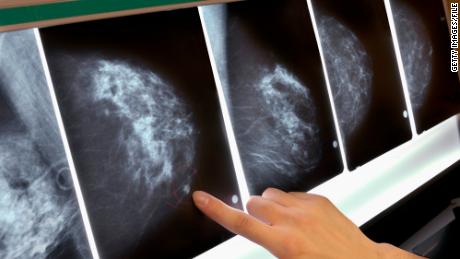
Excess body fat and obesity were responsible for 3.9% of cancers worldwide in 2012 and an increased risk of at least 13 cancers, including postmenopausal ...
from #Head and Neck by Sfakianakis via simeraentaxei on Inoreader https://ift.tt/2GmluFV
The Brain Fog of Menopause - New York Times
'Menopause-related cognitive impairment happens to women in their 40s and 50s, women in the prime of life who suddenly have the rug pulled out from under ...
from #Head and Neck by Sfakianakis via simeraentaxei on Inoreader https://ift.tt/2rBlCqO
Excess body weight responsible for 4% of cancers worldwide, study says - CNN
Excess body fat and obesity were responsible for 3.9% of cancers worldwide in 2012 and an increased risk of at least 13 cancers, including postmenopausal ...
from #Head and Neck by Sfakianakis via simeraentaxei on Inoreader https://ift.tt/2GmluFV
Thoracic cage volume and dimension assessment by optoelectronic molding in normal children and adolescents during growth
Abstract
Purpose
The thoracic spine, the chondral and osseous ribs, and the sternum together make up the thoracic cage. These elements are strictly correlated, although their growth is not synchronous. The purpose of this study is to provide a comprehensive data set of thoracic dimensions and non-invasive volumetric assessment in a large cohort of males and females from early childhood to young adult age.
Methods
In all, 622 healthy individuals (406 girls, 216 boys) aged 6–18 years were consecutively enrolled between 2006 and 2016. All had to be healthy with no history of spinal deformity, or any lung, cardiovascular, systemic or neuromuscular disease. The optical ORTEN system for trunk surface data acquisition was used to calculate thoracic cage volume (V) and perimeter (Pe), anterior–posterior depth (AP) and transverse diameter (TD), AP/TD ratio, sternal length (St), and T1–T12 distance (Tle) in all patients.
Results
The overall average age was 11.1 ± 2.5 years (4–18) for girls and 11.0 ± 3.1 years (4–18) for boys. Average growth parameters were: standing height 146.2 ± 14.6 cm (103–172) for girls and 146.4 ± 20.0 cm (94–192) for boys, sitting height 75.4 ± 8.6 cm (61–91) for girls and 75.5 ± 10.3 cm (60–99) for boys, weight 37.6 ± 10.4 kg (16–65) for girls and 38.3 ± 14.3 kg (13.7–104) for boys, BMI 16.7 ± 3.7 (18.5–26) for girls and 17.0 ± 3.3 (18.7–34.3) for boys. At age 6–8 years: V was 52.5% of its final size in girls and 44.9% in boys; Pe was 80.2% its final length in girls and 76.8% in boys; St reached 68% of its final size in girls and 66.9% in boys; Tle reached 73.3% of its final length in girls and 71.2% in boys. At skeletal maturity, thoracic cage volume in boys was 19.4% greater than in girls (p < 0.05). AP/TD ratio remained < 1 in all age groups and did not differ between genders (p > 0.05).
Conclusion
Growth of the thoracic cage is shown to be a gradual process that is more linear than previously reported. Only small increases in annual growth rates were observed during the pubertal growth spurt. The most important events characterizing thoracic cage development occurred during the first few years of postnatal growth. The circular cross-section of the very young child's thorax reached adult-like proportions together with its ovoid shape before age 6 years.
from #Head and Neck by Sfakianakis via simeraentaxei on Inoreader https://ift.tt/2SUlE8N
Thoracic cage volume and dimension assessment by optoelectronic molding in normal children and adolescents during growth
Abstract
Purpose
The thoracic spine, the chondral and osseous ribs, and the sternum together make up the thoracic cage. These elements are strictly correlated, although their growth is not synchronous. The purpose of this study is to provide a comprehensive data set of thoracic dimensions and non-invasive volumetric assessment in a large cohort of males and females from early childhood to young adult age.
Methods
In all, 622 healthy individuals (406 girls, 216 boys) aged 6–18 years were consecutively enrolled between 2006 and 2016. All had to be healthy with no history of spinal deformity, or any lung, cardiovascular, systemic or neuromuscular disease. The optical ORTEN system for trunk surface data acquisition was used to calculate thoracic cage volume (V) and perimeter (Pe), anterior–posterior depth (AP) and transverse diameter (TD), AP/TD ratio, sternal length (St), and T1–T12 distance (Tle) in all patients.
Results
The overall average age was 11.1 ± 2.5 years (4–18) for girls and 11.0 ± 3.1 years (4–18) for boys. Average growth parameters were: standing height 146.2 ± 14.6 cm (103–172) for girls and 146.4 ± 20.0 cm (94–192) for boys, sitting height 75.4 ± 8.6 cm (61–91) for girls and 75.5 ± 10.3 cm (60–99) for boys, weight 37.6 ± 10.4 kg (16–65) for girls and 38.3 ± 14.3 kg (13.7–104) for boys, BMI 16.7 ± 3.7 (18.5–26) for girls and 17.0 ± 3.3 (18.7–34.3) for boys. At age 6–8 years: V was 52.5% of its final size in girls and 44.9% in boys; Pe was 80.2% its final length in girls and 76.8% in boys; St reached 68% of its final size in girls and 66.9% in boys; Tle reached 73.3% of its final length in girls and 71.2% in boys. At skeletal maturity, thoracic cage volume in boys was 19.4% greater than in girls (p < 0.05). AP/TD ratio remained < 1 in all age groups and did not differ between genders (p > 0.05).
Conclusion
Growth of the thoracic cage is shown to be a gradual process that is more linear than previously reported. Only small increases in annual growth rates were observed during the pubertal growth spurt. The most important events characterizing thoracic cage development occurred during the first few years of postnatal growth. The circular cross-section of the very young child's thorax reached adult-like proportions together with its ovoid shape before age 6 years.
from #Head and Neck by Sfakianakis via simeraentaxei on Inoreader https://ift.tt/2SUlE8N
Masking Release for Speech in Modulated Maskers: Electrophysiological and Behavioral Measures
from #Head and Neck by Sfakianakis via simeraentaxei on Inoreader https://ift.tt/2CgMBOy
Global Cyclin Dependent Kinase 9 Market 2018 (Sales & Key Players) – Astex Pharmaceuticals Inc, AstraZeneca Plc, Bayer AG, Cyclacel Pharmaceuticals Inc – Daily Industry Updates - Daily Industry Updates
Global Cyclin Dependent Kinase 9 Market report provides information on trends and developments, and emphases on markets and materials, capacities and ...
from #Head and Neck by Sfakianakis via simeraentaxei on Inoreader https://ift.tt/2PH3u8o
WHO World Hearing Forum: Guest Editorial: Ear and Hearing Care: A Global Public Health Priority
Global Poly Polymerase 2 Market 2019- AstraZeneca Plc, BeiGene Ltd, Clovis Oncology Inc, AbbVie Inc - Journal of Industry
Global Poly Polymerase 2 Market has been brewing up and impacting the international economy in terms of growth rate, revenue, sale, market share, and size.
from #Head and Neck by Sfakianakis via simeraentaxei on Inoreader https://ift.tt/2UQGxU0
Evaluation of CSF flow metrics in patients with communicating hydrocephalus and idiopathic intracranial hypertension
Abstract
Purpose
To search for CSF dynamics of idiopathic intracranial hypertension (IIH) and communicating hydrocephalus and any correlation between MRI findings, CSF metrics and CSF opening pressure in IIH.
Materials and methods
Healthy subjects (30) and subjects with IIH (29) and high-pressure communicating hydrocephalus (43) were enrolled. Nonparametric Kruskal–Wallis test (p = 0.05) was used to compare three groups, Mann–Whitney U test with Bonferroni correction to compare two groups (p = 0.016). Correlation of MRI findings of IIH with CSF metrics and CSF opening pressure was analyzed by Spearman's Rank correlation coefficient (p = 0.05).
Results
In IIH, no correlation between MRI findings and aqueductal stroke volume (ASV) but statistically significantly CSF opening pressure in the presence of transverse sinus compression was noted. Comparing with healthy subjects, ASV was nonsignificantly lower and standardized diastolic and sum and difference of systolic and diastolic flow durations were statistically significantly lower. Comparing with hydrocephalus, the width of prepontine cistern (PPC)/the width of aqueductus sylvii (AS) was significantly higher and other CSF metrics with standardized systolic and sum of systolic and diastolic flow durations were significantly lower. In hydrocephalus, ASV and peak velocities were significantly higher. Compared with normal group, PPC/AS and reverse/forward flow duration were significantly lower and other CSF metrics were significantly higher.
Conclusion
In hydrocephalus, significant increase in ASV and peak velocities were noted. In IIH, CSF opening pressure was statistically significantly high in the presence of transverse sinus compression and standardized diastolic flow durations were statistically significantly short that are probably effects of increased impedance of CSF flow against increased intracranial pressure and unchanged or even decreased intraventricular CSF volume.
from #Head and Neck by Sfakianakis via simeraentaxei on Inoreader https://ift.tt/2PI4CJ8
A Laboratory Evaluation of Contextual Factors Affecting Ratings of Speech in Noise: Implications for Ecological Momentary Assessment
from #Head and Neck by Sfakianakis via simeraentaxei on Inoreader https://ift.tt/2ST5j42
Masking Release for Speech in Modulated Maskers: Electrophysiological and Behavioral Measures
from #Head and Neck by Sfakianakis via simeraentaxei on Inoreader https://ift.tt/2CgMBOy
WHO World Hearing Forum: Guest Editorial: Ear and Hearing Care: A Global Public Health Priority
Global Cyclin Dependent Kinase 9 Market 2018 (Sales & Key Players) – Astex Pharmaceuticals Inc, AstraZeneca Plc, Bayer AG, Cyclacel Pharmaceuticals Inc – Daily Industry Updates - Daily Industry Updates
Global Cyclin Dependent Kinase 9 Market report provides information on trends and developments, and emphases on markets and materials, capacities and ...
from #Head and Neck by Sfakianakis via simeraentaxei on Inoreader https://ift.tt/2PH3u8o
Global Poly Polymerase 2 Market 2019- AstraZeneca Plc, BeiGene Ltd, Clovis Oncology Inc, AbbVie Inc - Journal of Industry
Global Poly Polymerase 2 Market has been brewing up and impacting the international economy in terms of growth rate, revenue, sale, market share, and size.
from #Head and Neck by Sfakianakis via simeraentaxei on Inoreader https://ift.tt/2UQGxU0
Evaluation of CSF flow metrics in patients with communicating hydrocephalus and idiopathic intracranial hypertension
Abstract
Purpose
To search for CSF dynamics of idiopathic intracranial hypertension (IIH) and communicating hydrocephalus and any correlation between MRI findings, CSF metrics and CSF opening pressure in IIH.
Materials and methods
Healthy subjects (30) and subjects with IIH (29) and high-pressure communicating hydrocephalus (43) were enrolled. Nonparametric Kruskal–Wallis test (p = 0.05) was used to compare three groups, Mann–Whitney U test with Bonferroni correction to compare two groups (p = 0.016). Correlation of MRI findings of IIH with CSF metrics and CSF opening pressure was analyzed by Spearman's Rank correlation coefficient (p = 0.05).
Results
In IIH, no correlation between MRI findings and aqueductal stroke volume (ASV) but statistically significantly CSF opening pressure in the presence of transverse sinus compression was noted. Comparing with healthy subjects, ASV was nonsignificantly lower and standardized diastolic and sum and difference of systolic and diastolic flow durations were statistically significantly lower. Comparing with hydrocephalus, the width of prepontine cistern (PPC)/the width of aqueductus sylvii (AS) was significantly higher and other CSF metrics with standardized systolic and sum of systolic and diastolic flow durations were significantly lower. In hydrocephalus, ASV and peak velocities were significantly higher. Compared with normal group, PPC/AS and reverse/forward flow duration were significantly lower and other CSF metrics were significantly higher.
Conclusion
In hydrocephalus, significant increase in ASV and peak velocities were noted. In IIH, CSF opening pressure was statistically significantly high in the presence of transverse sinus compression and standardized diastolic flow durations were statistically significantly short that are probably effects of increased impedance of CSF flow against increased intracranial pressure and unchanged or even decreased intraventricular CSF volume.
from #Head and Neck by Sfakianakis via simeraentaxei on Inoreader https://ift.tt/2PI4CJ8
Radiation therapy for patients with newly diagnosed metastatic head and neck squamous cell carcinoma
Abstract
Background
To assess the association between radiation therapy (RT) use and overall survival (OS) for patients with metastatic head and neck squamous cell carcinomas (HNSCC).
Methods
We analyzed the National Cancer Database to identify patients with newly diagnosed metastatic HNSCC from 2004 to 2013 who were treated with up‐front chemotherapy. Associations between the use of RT and OS were evaluated.
Results
We identified 3516 patients with metastatic HNSCC who were treated with chemotherapy; 2288 (65%) were also treated with RT. The addition of RT to chemotherapy was associated with prolonged survival (median: 13.6 vs 11.3 months, log‐rank P < .001). After adjusting for other prognostic factors in a multivariable Cox model, propensity score matching and landmark analyses limited to patients who survived at least 3, 6, and 12 months after diagnosis, the use of RT remained associated with prolonged survival.
Conclusion
The addition of RT to chemotherapy in the up‐front management of metastatic HNSCC was associated with prolonged OS in this study.
from #Head and Neck by Sfakianakis via simeraentaxei on Inoreader https://ift.tt/2S5t8px
Differentiated Thyroid Cancer Therapeutics Market Clinical Analysis 2018 – 2025 - Journal of Industry
Global Differentiated Thyroid Cancer Therapeutics Market Size, Status and Forecast 2025. The report provides a unique tool for evaluating the Market, ...
from #Head and Neck by Sfakianakis via simeraentaxei on Inoreader https://ift.tt/2SQss7m
Radiation therapy for patients with newly diagnosed metastatic head and neck squamous cell carcinoma
Abstract
Background
To assess the association between radiation therapy (RT) use and overall survival (OS) for patients with metastatic head and neck squamous cell carcinomas (HNSCC).
Methods
We analyzed the National Cancer Database to identify patients with newly diagnosed metastatic HNSCC from 2004 to 2013 who were treated with up‐front chemotherapy. Associations between the use of RT and OS were evaluated.
Results
We identified 3516 patients with metastatic HNSCC who were treated with chemotherapy; 2288 (65%) were also treated with RT. The addition of RT to chemotherapy was associated with prolonged survival (median: 13.6 vs 11.3 months, log‐rank P < .001). After adjusting for other prognostic factors in a multivariable Cox model, propensity score matching and landmark analyses limited to patients who survived at least 3, 6, and 12 months after diagnosis, the use of RT remained associated with prolonged survival.
Conclusion
The addition of RT to chemotherapy in the up‐front management of metastatic HNSCC was associated with prolonged OS in this study.
from #Head and Neck by Sfakianakis via simeraentaxei on Inoreader https://ift.tt/2S5t8px
Differentiated Thyroid Cancer Therapeutics Market Clinical Analysis 2018 – 2025 - Journal of Industry
Global Differentiated Thyroid Cancer Therapeutics Market Size, Status and Forecast 2025. The report provides a unique tool for evaluating the Market, ...
from #Head and Neck by Sfakianakis via simeraentaxei on Inoreader https://ift.tt/2SQss7m
Home-based Cognitive Prehabilitation in Older Surgical Patients: A Feasibility Study
from #Head and Neck by Sfakianakis via simeraentaxei on Inoreader https://ift.tt/2GmMPaU
Home-based Cognitive Prehabilitation in Older Surgical Patients: A Feasibility Study
from #Head and Neck by Sfakianakis via simeraentaxei on Inoreader https://ift.tt/2GmMPaU
Tearful second most cancers affected person, 15, finds out she’s cancer-free from her CLASSMATES - Infosurhoy
A 15-year-old cancer patient was left in joyful tears when she returned to school – to a surprise party telling her: 'you're cancer-free'.
from #Head and Neck by Sfakianakis via simeraentaxei on Inoreader https://ift.tt/2GnCStT
Tearful second most cancers affected person, 15, finds out she’s cancer-free from her CLASSMATES - Infosurhoy
A 15-year-old cancer patient was left in joyful tears when she returned to school – to a surprise party telling her: 'you're cancer-free'.
from #Head and Neck by Sfakianakis via simeraentaxei on Inoreader https://ift.tt/2GnCStT
ABT-737 and erufosine combination against castration-resistant prostate cancer: a promising but cell-type specific response associated with the modulation of anti-apoptotic signaling
from #Head and Neck by Sfakianakis via simeraentaxei on Inoreader https://ift.tt/2BnFuSK
ABT-737 and erufosine combination against castration-resistant prostate cancer: a promising but cell-type specific response associated with the modulation of anti-apoptotic signaling
from #Head and Neck by Sfakianakis via simeraentaxei on Inoreader https://ift.tt/2BnFuSK
Κυριακή 16 Δεκεμβρίου 2018
Rates of sialoendoscopy and sialoadenectomy in 5,111 adults with private insurance
Objective
To determine frequencies and trends in sialoendoscopy and sialoadenectomy for the treatment of obstructive, nonneoplastic submandibular gland disease in the United States.
Methods
Epidemiologic study of insurance claims from 2006 to 2013 in a large, private insurance claims database. Rates were calculated for patients undergoing one or both index procedures.
Results
A total of 5,111 adults with sialadenitis who underwent sialoendoscopy or submandibular gland excision were included. Mean age was 47.6 years, and patients undergoing sialoendoscopy were less likely to be male (relative risk [RR] = 0.84; 95% confidence interval [CI], 0.78–0.89), more likely to have sialoadenitis without stones (RR = 1.60; 95% CI, 1.53–1.66), and had a similar number of comorbidities (RR = 1.00; 95% CI, 0.91–1.06) compared to patients undergoing sialoadenectomy. The most common complication after sialoadenectomy was surgical site infection (1.4%; 95% CI, 1.1–1.8%), and complications after sialoendoscopy were rare. From 2007 to 2013, use of sialoendoscopy increased from 0.13 (95% CI, 0.08–0.18) to 0.42 (95% CI, 0.40–0.45) per 100 thousand people, and sialoadenectomy decreased from 2.41 (95% CI, 2.39–2.42) to 1.43 (95% CI, 1.40–1.44) per 100 thousand. The highest mean rate of sialadenectomy was seen in the south (2.15 per 100,000; 95% CI, 2.13–2.16), the lowest was in the west (1.6 per 100,000; 95% CI, 1.57–1.62), and it decreased in all regions over time.
Conclusion
Utilization of sialoendoscopy has increased over time, and the overall rate of sialoadenectomy is decreasing. Both procedures are safe for treatment of patients with sialadenitis and sialolithiasis. Future research should examine whether availability of sialoendoscopy leads to a decreased rate of sialoadenectomy in patients with salivary gland disease.
Level of Evidence
2c. Laryngoscope, 2018
from #Head and Neck by Sfakianakis via simeraentaxei on Inoreader https://ift.tt/2ChH0HO
Rates of sialoendoscopy and sialoadenectomy in 5,111 adults with private insurance
Objective
To determine frequencies and trends in sialoendoscopy and sialoadenectomy for the treatment of obstructive, nonneoplastic submandibular gland disease in the United States.
Methods
Epidemiologic study of insurance claims from 2006 to 2013 in a large, private insurance claims database. Rates were calculated for patients undergoing one or both index procedures.
Results
A total of 5,111 adults with sialadenitis who underwent sialoendoscopy or submandibular gland excision were included. Mean age was 47.6 years, and patients undergoing sialoendoscopy were less likely to be male (relative risk [RR] = 0.84; 95% confidence interval [CI], 0.78–0.89), more likely to have sialoadenitis without stones (RR = 1.60; 95% CI, 1.53–1.66), and had a similar number of comorbidities (RR = 1.00; 95% CI, 0.91–1.06) compared to patients undergoing sialoadenectomy. The most common complication after sialoadenectomy was surgical site infection (1.4%; 95% CI, 1.1–1.8%), and complications after sialoendoscopy were rare. From 2007 to 2013, use of sialoendoscopy increased from 0.13 (95% CI, 0.08–0.18) to 0.42 (95% CI, 0.40–0.45) per 100 thousand people, and sialoadenectomy decreased from 2.41 (95% CI, 2.39–2.42) to 1.43 (95% CI, 1.40–1.44) per 100 thousand. The highest mean rate of sialadenectomy was seen in the south (2.15 per 100,000; 95% CI, 2.13–2.16), the lowest was in the west (1.6 per 100,000; 95% CI, 1.57–1.62), and it decreased in all regions over time.
Conclusion
Utilization of sialoendoscopy has increased over time, and the overall rate of sialoadenectomy is decreasing. Both procedures are safe for treatment of patients with sialadenitis and sialolithiasis. Future research should examine whether availability of sialoendoscopy leads to a decreased rate of sialoadenectomy in patients with salivary gland disease.
Level of Evidence
2c. Laryngoscope, 2018
from #Head and Neck by Sfakianakis via simeraentaxei on Inoreader https://ift.tt/2ChH0HO